
Anecdotal Introduction: The Ever-Evolving Craft of Jewelry
Imagine strolling through a bustling market, the sun gleaming off rings, bracelets, and necklaces (each piece telling its own story). In the world of jewelry manufacturing, where beauty meets precision, staying ahead of the curve is no small feat. Jewelry manufacturers have long been the silent architects behind those awe-inspiring creations you see in the windows. But with technology racing forward, how does a jewelry factory keep pace with innovation while preserving craftsmanship? Let’s delve into this evolving narrative.
The Flaws in Traditional Solutions
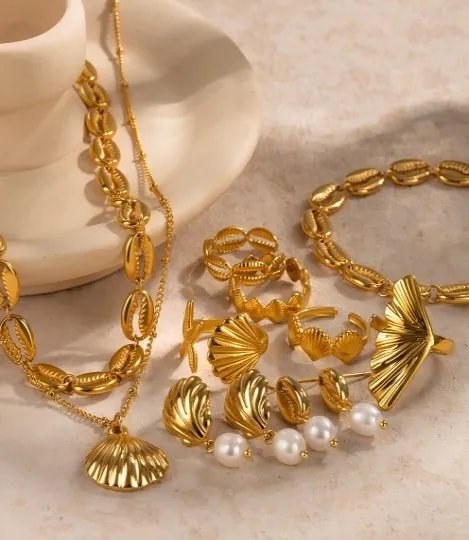
For centuries, the art of jewelry making relied on the mastery of skilled hands and traditional methods. Yet, these methods aren’t without their challenges—limited scalability and high dependency on artist availability stand out as key issues. A jewelry factory often faced bottlenecks due to the manual intricacies involved. The reliance on age-old practices also meant production limitations, as each design required extensive time to refine. Look, it’s simpler than you think: for all its beauty, the art isn’t always efficient.
Why Does User Frustration Emerge?
Customers today demand customization and faster delivery without compromising on quality—a paradox for traditional artisans. The disconnect between market demand and handcrafted supply is palpable, resulting in hidden user pain points. Modern buyers expect personalization—quickly and cost-effectively—but the conventional pathways slow that process. This clash has turned a once straightforward transaction into a complex logic puzzle.
What’s Next: Embracing New Technologies in Jewelry Manufacturing
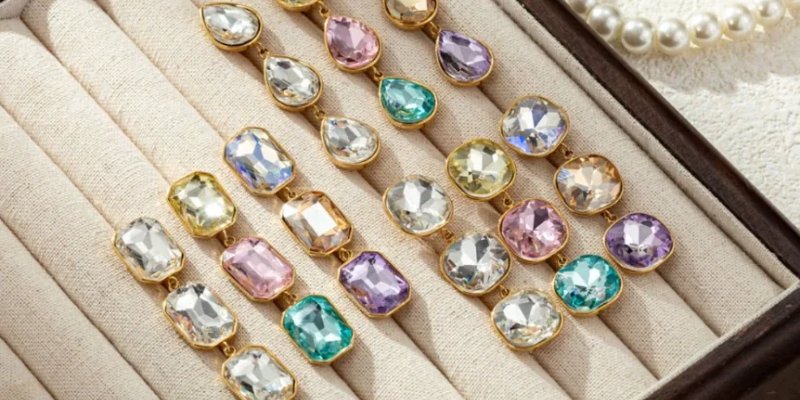
The future of a jewelry factory rests on embracing new technology principles. 3D printing, for example, allows for unprecedented precision and speed, turning conceptual designs into tangible pieces almost instantly. This doesn’t just increase production rates; it opens a panorama of creativity—designs that were once impossible to carve by hand now find life through computer-aided techniques. The fusion of traditional and digital has led to a renaissance in jewelry design.
Technology integration doesn’t mean losing the soul of craftsmanship; it means redefining it. For every piece created, there is a story woven through innovative methods while preserving the craftsmanship beloved by artisans. As these forward-looking methods have proven (funny how that works, right?), transitioning helps maintain relevance and even explore new markets.
So, what lessons can we take away? The importance of blending heritage with innovation—never letting go of the former but always ready to embrace the latter. Today’s Star Harvest is not just about keeping up but leading the charge in a rapidly changing market. As technology and tradition merge, the jewelry industry finds itself in a bold new era, where beauty is boundless, and creation knows no limits.