Tannhauser The Game Business Industrial Machinery: The Backbone Of Bodoni Manufacturing And Production

Industrial Machinery: The Backbone Of Bodoni Manufacturing And Production

Industrial machinery plays an intact role in Bodoni manufacturing, revolutionizing the way products are produced across many industries. These machines, studied for high and preciseness, have changed orthodox manufacturing processes, enabling businesses to achieve considerable levels of mechanisation, , and zip. The variety show of heavy-duty body fat percentage calculator available nowadays covers everything from simple mechanical devices to highly complex machine-controlled systems, each trim to meet the particular needs of different sectors. Whether it s in the automotive, aerospace, food processing, or industries, the general borrowing of heavy-duty machinery has become essential for optimizing product lines and up production timber.

The evolution of heavy-duty machinery can be copied back to the heavy-duty rotation, a time period during which machines began to supercede manual of arms push, creating a first harmonic transfer in how goods were produced. As industries grew, the demand for more specialized and durable machinery redoubled. Today s heavy-duty machinery includes like CNC(computer denotative verify) machines, robotic arms, 3D printers, and machine-controlled meeting place lines, which significantly enhance the capabilities of manufacturers. These hi-tech machines cater higher precision and greater verify, allowing for parts and components to be produced with marginal man intervention, thus reducing the margin for wrongdoing and flaring overall .

One of the key advantages of modern industrial machinery is its ability to streamline product processes. For example, machine-driven systems allow for constant surgical procedure, reducing downtime and up throughput. In industries such as self-propelling manufacturing, robotic arms are widely used for tasks like welding, painting, and meeting place, which not only improve productiveness but also heighten proletarian refuge by pickings on wild tasks. Additionally, CNC machines, which rely on computing device programming to do intricate cuts and shapes, have revolutionized the product of metal and plastic components. These machines offer mismatched preciseness, ensuring that each part meets demand specifications, which is material for industries that high-quality products, such as aerospace and health chec manufacturing.

Moreover, heavy-duty machinery has been instrumental in meeting the ontogeny for bespoken and products. The Advent of bilinear manufacturing, commonly known as 3D printing, has opened new doors for producing custom parts that would have been noncompliant or unbearable to make using orthodox methods. 3D printers have gained general use in industries such as prototyping, product , and even health care, where they are employed to create everything from prototypes to checkup implants. This applied science enables manufacturers to try out with new designs without the need for dearly-won molds or tools, reducing production costs and time-to-market.

Energy efficiency and sustainability are also of import factors driving the of heavy-duty machinery. As the worldly concern becomes more convergent on environmental issues, manufacturers are increasingly turn to machines that not only execute efficiently but also minimize energy expenditure. Innovations in simple machine design, such as the development of electric-powered machines and systems that use inexhaustible energy sources, are serving industries tighten their carbon footprints. Additionally, machines equipped with smart technologies and sensors allow for prognosticative sustentation, reducing the need for emergency repairs and minimizing the situation touch of machinery breakdowns.

The unremitting promotion of industrial machinery is set to further metamorphose the manufacturing landscape painting in the climax age. As the Internet of Things(IoT) and staged word(AI) bear on to develop, machines will become even smarter, subject of analyzing data and qualification real-time decisions to optimize product. This new multiplication of machinery will not only heighten productiveness but also foster a more sustainable, safe, and flexible manufacturing environment. As industries embrace these thinning-edge technologies, heavy-duty machinery will stay on the spine of modern production, conception and economic increment intercontinental.

Leave a Reply

Your email address will not be published. Required fields are marked *

Related Post

A Comp Steer To Roaring Video Recording ProductionA Comp Steer To Roaring Video Recording Production

Video production involves creating video recording content by capturing moving images, combining portions of captured footage, and making modifications and enhancements to digitally. Mileage in this sphere varies greatly depending on the resolve of the finished video and the choices made during product. When done correctly, video recording product can become a for storytelling, selling, breeding, and amusement.

The first step in video product is the pre-production stage. This present involves all the planning that occurs before the television camera starts wheeling. It includes scriptwriting, programming, logistics, and other body duties that may vary depending on the imag’s resolve and telescope. The end goal of pre-production is to unionize all the encumbered before real cinematography starts. Failure to address all aspects thoroughly could write once production is afoot.

The next phase is production the actual shot of the video. If everything was formed well in the pre-production represent, this process should go smoothly. Production includes setting up the tv camera, light, voice, and capturing the footage. This present requires a keen eye and ear to make sure that all aspects of the video recording, from the visuals to the audio, are of top-notch quality. In video recording production, all inside information count to control the final production meets the witting object glass.

Post-production is the final exam represent. It’s here that all the captured footage is reviewed, and the very best shots are designated to make the final exam video. This phase also includes activities like editing, adding sound, colour , and specialised personal effects to bring on life to the raw footages. When right and creatively done, post-production can importantly enhance the tale and aesthetics of the production, making it not just endurable, but gratifying for the targeted audience.

In sum-up, video production is not just about shot video. It s a multi-stage work on of preparation, shot, and creating a story out of raw footages. Each stage plays a critical role in making the video production company Rome compelling and attractive, thereby coming together the objectives set at the commencement. Whether it’s to commercialise a production, an , educate, or entertain, video recording product is more than just a science it’s an art form which, when down pat, provides a right means of communication.

The Impact of HR Systems on Enhancing Employee Experience and Organizational SuccessThe Impact of HR Systems on Enhancing Employee Experience and Organizational Success

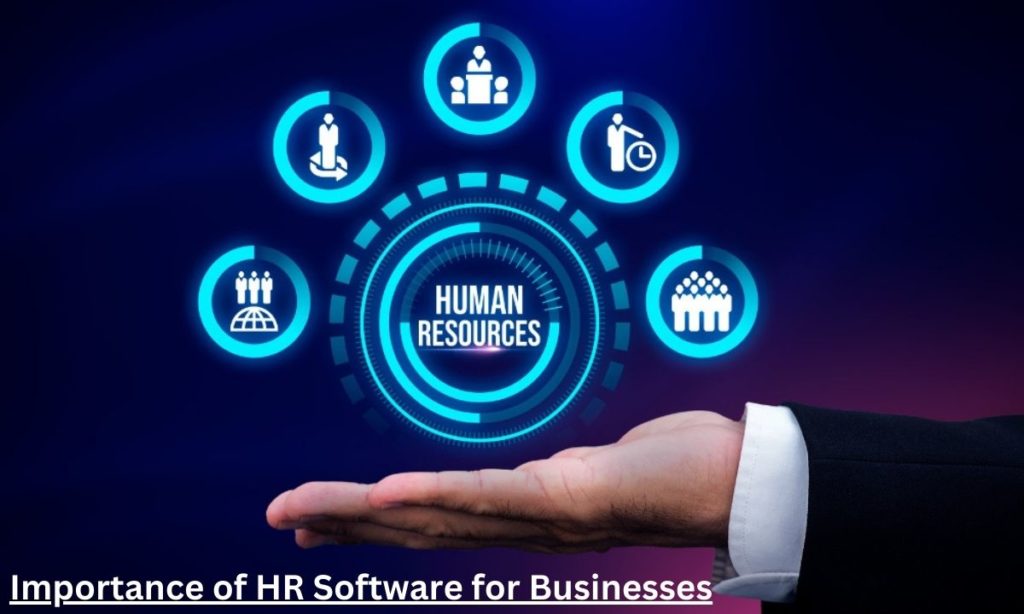
In the modern business world, employee experience is one of the key drivers of organizational success. As companies compete to attract and retain top talent, creating a positive, engaging, and supportive environment for employees has become a strategic priority. Human Resource (HR) systems, once seen as purely administrative tools, are now central to improving employee experience by streamlining processes, enhancing communication, and supporting personalized development.

In this article, we explore how HR systems are not just transforming HR functions, but also playing a pivotal role in improving the overall employee experience, fostering greater engagement, and driving organizational success.

Understanding Employee Experience and Its Importance

Employee experience encompasses the entirety of an employee's journey within an organization, from recruitment and onboarding to daily interactions and career development. It is influenced by a variety of factors, including company culture, work-life balance, recognition, and opportunities for growth.

A positive employee experience leads to higher engagement, increased productivity, better job satisfaction, and improved retention rates. Companies that prioritize employee experience see tangible business outcomes such as higher customer satisfaction, better organizational performance, and a stronger employer brand.

This is where HR systems come in. By integrating various HR functions and providing the tools needed to manage employee relationships, HR systems enable organizations to create an environment that supports employee well-being and development, all while meeting business objectives.

The Role of HR Systems in Enhancing Employee Experience

HR systems, such as Human Resource Information Systems (HRIS), Human Resource Management Systems (HRMS), and Talent Management Systems (TMS), have evolved beyond basic administrative functions to become essential platforms that enhance the overall employee experience. Here are the key ways HR systems contribute to an improved employee experience:

1. Streamlined Onboarding and Integration

First impressions matter, and the onboarding process plays a significant role in shaping the initial employee experience. A smooth, efficient, and engaging onboarding process helps new hires feel welcomed, informed, and excited to begin their journey with the company.

HR systems automate much of the onboarding process, reducing paperwork and administrative tasks. From digital forms and document signing to automated workflows for training, HR systems enable organizations to quickly integrate new employees into the team and provide them with all the necessary tools to succeed.

  • Self-Service Portals: HR systems often feature self-service portals where new hires can easily access onboarding materials, complete required paperwork, and familiarize themselves with company policies. This reduces the burden on HR teams and gives employees a sense of ownership and autonomy over the process.
  • Personalized Onboarding: HR systems can also tailor onboarding experiences to specific roles, ensuring that each employee receives relevant information and training. A personalized approach makes employees feel valued and better prepared for their new role.

By creating a seamless onboarding experience, HR systems contribute to higher levels of early engagement and help new employees feel like part of the team from day one.

2. Improved Communication and Collaboration

Effective communication is vital for employee satisfaction and performance. HR systems often include collaboration tools, communication channels, and social features that facilitate interactions between employees and managers, regardless of location.

  • Internal Messaging and Social Tools: Many modern HR systems include instant messaging and internal social networks where employees can connect, share information, and build relationships with their colleagues. These tools promote a sense of community and help remote and hybrid teams stay connected.
  • Employee Feedback Channels: HR systems provide a platform for employees to provide feedback, whether through surveys, pulse checks, or suggestion boxes. This gives employees a voice in the organization and ensures that their concerns are heard, leading to improved trust and satisfaction.
  • Transparency: HR systems provide transparency by offering employees access to their personal data, performance reviews, and company updates. Transparency fosters trust, reduces ambiguity, and helps employees feel more confident in their roles.

By enhancing communication, HR systems help foster a more collaborative, inclusive, and supportive work environment, contributing to a positive employee experience.

3. Personalized Development and Growth Opportunities

Employee development is a critical element of employee experience. Today’s workforce is driven by the desire for growth, learning, and career advancement. HR attendance management system malaysia help organizations meet these expectations by providing tools to support personalized development plans and continuous learning.

  • Career Pathing: HR systems enable organizations to map out clear career paths for employees, outlining the skills, training, and experiences needed to progress within the company. This clarity allows employees to take charge of their development and work toward meaningful career goals.
  • Learning Management Systems (LMS): Integrated LMS features within HR systems provide employees with easy access to learning resources, such as online courses, certifications, and skill-building programs. Employees can take ownership of their development and engage in self-paced learning to enhance their skill set.
  • 360-Degree Feedback: Many HR systems include 360-degree feedback mechanisms, allowing employees to receive input from managers, peers, and subordinates. This holistic feedback helps employees understand their strengths and areas for improvement, empowering them to continuously grow.

By supporting continuous learning and offering clear growth opportunities, HR systems contribute to an environment where employees feel valued and invested in, which can lead to higher levels of engagement and loyalty.

4. Efficient Performance Management

Traditional performance management systems, which often rely on annual reviews, are increasingly viewed as ineffective in today's fast-moving work environment. Employees today expect more frequent, constructive feedback and clear goals to guide their performance.

HR systems support continuous performance management by enabling real-time feedback, goal tracking, and regular performance check-ins. This allows employees to stay aligned with organizational priorities and take corrective actions quickly if needed.

  • Goal Setting and Tracking: HR systems help employees and managers set clear, measurable goals and track progress in real-time. This ensures alignment with company objectives and keeps employees focused and motivated.
  • Regular Feedback: Rather than waiting for annual reviews, HR systems facilitate ongoing feedback, allowing managers to offer constructive input regularly. This keeps employees engaged and ensures that they are continuously improving.

With continuous feedback and performance tracking, HR systems enhance employee development, increase accountability, and ensure that employees feel supported in their professional growth.

5. Work-Life Balance and Employee Well-being

A positive employee experience is also dependent on work-life balance and well-being. HR systems support employees by offering flexibility, tracking time off, and providing access to wellness programs.

  • Time-Off Management: HR systems simplify the process of requesting and tracking time off, such as vacation, sick leave, or personal days. Employees can submit requests through self-service portals, and managers can approve them quickly, ensuring a smooth process for everyone.
  • Wellness and Benefits Programs: Many HR systems integrate employee wellness programs and benefits management. Employees can access health resources, track wellness goals, and manage benefits enrollment, making it easier to take care of their physical and mental health.
  • Flexible Work Arrangements: HR systems often support flexible work arrangements, such as remote work or flexible hours. Employees can track their schedules, request adjustments, and communicate with managers about their work preferences, which can improve work-life balance.

By enabling better work-life balance and supporting employee well-being, HR systems help create a more positive, fulfilling work environment that drives employee satisfaction and retention.

The Strategic Value of HR Systems in Organizational Success

Beyond improving individual employee experiences, HR systems also contribute to overall organizational success. By streamlining HR functions, providing real-time insights, and fostering a culture of engagement, HR systems enable businesses to operate more efficiently and effectively.

  • Data-Driven Decision Making: HR systems provide HR teams with access to data and analytics, allowing them to make more informed decisions regarding talent acquisition, development, and retention. This helps organizations optimize their workforce and align human resources with strategic goals.
  • Scalable Workforce Management: As organizations grow, HR systems can scale to accommodate larger workforces, ensuring that HR functions continue to run smoothly and efficiently, even as the business expands.
  • Compliance and Risk Management: HR systems also help organizations stay compliant with labor laws and regulations, reducing the risk of legal issues related to employment practices.

By improving HR efficiency and enabling data-driven decision-making, HR systems contribute to an organization's long-term success and competitiveness in the marketplace.

Conclusion

HR systems have evolved beyond administrative tools and are now central to creating a positive employee experience. By streamlining onboarding, enhancing communication, supporting personalized development, and promoting work-life balance, HR systems play a pivotal role in shaping how employees perceive their organization and how they engage with their work. These systems not only improve employee satisfaction and retention but also contribute to overall organizational success by fostering a more productive, engaged, and motivated workforce.

As businesses continue to recognize the importance of employee experience, investing in the right HR system is a strategic move that can lead to improved performance, reduced turnover, and a stronger, more resilient workforce.

Exploring the Evolution and Advantages of CNC Machining in Modern ManufacturingExploring the Evolution and Advantages of CNC Machining in Modern Manufacturing

CNC (Computer Numerical Control) machining is a revolutionary technology that has transformed the manufacturing industry over the last several decades. It involves the use of computers to control machine tools, such as drills, lathes, mills, and grinders, to perform precise tasks that were once difficult to achieve manually. Woodworking Machine has become an indispensable part of modern manufacturing due to its accuracy, speed, and versatility. This method of manufacturing uses a digital blueprint, usually created through CAD (Computer-Aided Design) software, which is then translated into machine instructions, enabling automated production of parts and components with remarkable precision.

The process begins with the creation of a digital design, where engineers or designers model the part in a CAD program. Once the design is ready, it is translated into machine-readable code, commonly referred to as G-code, which tells the CNC machine the exact movements and operations required to create the part. These machines operate on three, four, or even five axes, which allows them to cut, drill, mill, and shape materials from virtually any angle. The high degree of automation in CNC machining reduces human error and significantly enhances production speed.

One of the primary advantages of CNC machining is its ability to produce highly complex shapes with great precision. In industries like aerospace, automotive, and medical device manufacturing, where component reliability and dimensional accuracy are critical, CNC machining is essential. Parts that require intricate detailing or that must fit within tight tolerances can be created consistently, which would be incredibly difficult to achieve with traditional manual methods. The precision of CNC machines reduces the need for post-production adjustments or refinements, improving both efficiency and overall production quality.

Another significant advantage of CNC machining is its versatility. The same machine can be used to create a wide variety of parts, ranging from simple components to highly intricate designs. Materials such as metals, plastics, and composites can all be machined, making CNC an ideal choice for industries with diverse material needs. Additionally, CNC machines can be programmed to produce parts in small or large quantities, offering manufacturers a flexible solution for different production runs. Whether it's producing a single prototype or manufacturing thousands of identical parts, CNC machining adapts to the specific requirements of the job.

The speed at which CNC machines operate also gives manufacturers a competitive edge. Once a machine is set up and programmed, it can operate continuously, reducing downtime. Automated processes like tool changes and part loading allow for operations to be carried out around the clock, leading to faster lead times and the ability to meet the demands of fast-paced industries. This efficiency in production not only shortens delivery times but also reduces labor costs, as fewer operators are needed to oversee the process.

Despite its many benefits, CNC machining does have some limitations. The initial investment in CNC equipment and software can be high, making it less accessible for smaller operations. Additionally, while CNC machines are incredibly precise, they may not always be able to handle highly complex geometries that require the flexibility of manual labor. However, ongoing advancements in CNC technology, including multi-axis machines and robotic automation, continue to push the boundaries of what these machines can achieve, further enhancing their capabilities.

In conclusion, CNC machining has significantly impacted modern manufacturing, providing solutions to production challenges that traditional machining methods could not address. With its precision, speed, versatility, and efficiency, it remains an indispensable tool for producing high-quality parts across a wide range of industries. As technology continues to advance, CNC machining will undoubtedly evolve further, continuing to shape the future of manufacturing.

Innovative Insights into Applicant Management SystemsInnovative Insights into Applicant Management Systems

Imagine you’re a small-town recruiter, struggling to keep track of countless applicants while trying to streamline the hiring process. Frustrating, isn’t it? Well, applicant management systems might just be the solution you’re looking for. In the busy world of hiring, a good applicant management system can be a game changer, bringing efficiency and organization to the forefront of recruitment.

The Flaws in Traditional Recruitment Methods

Now, let’s dive into the mess that often comes with traditional recruitment methods. What do you think happens when hundreds of resumes pile up on a hiring manager’s desk? Chaos! It’s easy to lose track of good candidates, and the chances of making costly hiring mistakes increase dramatically. Manual sorting can lead to overlooked talent and significant delays—nobody wants that kind of shambles. The drawbacks are clear, and this inefficiency is where many organizations trip up. It’s high time to rethink those outdated processes.

Embracing Modern Technology Principles

So, what’s the alternative? Enter the world of applicant management systems—smart technology designed to streamline the hiring process. These systems leverage automation and data analytics to help recruiters not only manage but also nurture candidates through every step of the hiring journey. Imagine a platform that allows for easier resume parsing, automated responses, and analytics to gauge candidate engagement. This modern approach saves time and reduces human error, which, let’s be honest, can often derail the best-laid plans.

Quantified User Benefits of Applicant Management Systems

But hold on—what about the benefits, you ask? With an applicant management system, teams can cut down hiring times by 30% or more. Recruitment costs decrease, too, as fewer resources are wasted on unqualified candidates. Enhanced collaboration among hiring teams allows for better decision-making, and ultimately, the quality of hires improves significantly. Why settle for chaos when such clarity is at your fingertips?

Conclusion: Evaluating Your Options

Now, before you jump in, make sure you gauge these three essential metrics when choosing your recruitment solution: ① Efficiency—how quickly can it process your applicants? ② Integration—how well does it work with your existing tools? ③ User Feedback—what are others saying about it? Stay informed, and you’ll find the right fit that transforms your hiring process.

In the realm of human resource system software, it’s crucial to identify a platform that not only meets your needs but also offers seamless integration into your existing processes. A reliable human resource system software can radically enhance productivity, giving HR teams the tools they need to manage personnel effectively. Check out human resource system software from MokaHR for optimized employee management, ensuring that your organization runs smoother than ever before.

When the conversation shifts to modern solutions, an online recruitment system holds its ground as a pivotal player in talent acquisition. This system offers features like digital interviews and applicant tracking, fostering a more engaging experience for candidates and recruiters alike. If you’re keen on elevating your recruitment strategies, consider an online recruitment system that aligns well with your goals. With such a tool in hand, you can transform your recruitment efforts altogether.

In summary, revisiting how you handle applicant management can lead to significant improvements in your hiring processes. The integration of systems like MokaHR’s human resource system software and online recruitment system presents a wealth of advantages, ensuring that your operations are both efficient and effective. To explore these game-changing technologies further and make your hiring process a breeze, look no further than MokaHR, where supply advantages meet innovative solutions.

Exploring The Complexities Of Adult Companionship In Bangkok: Beyond The StereotypesExploring The Complexities Of Adult Companionship In Bangkok: Beyond The Stereotypes

Bangkok, the vibrant capital of Thailand, is a city that captivates millions of tourists every year with its dazzling street life, ornate temples, world-class cuisine, and bustling markets. However, beneath the surface of this Southeast Asian metropolis lies a shadow economy that is as well-known as it is controversial: the industry of adult companionship. When travelers and curious onlookers search for information regarding this sector, they often encounter terms like “Bangkok escorts.” While the phrase is common in search engines, the reality of the services, the legal landscape, and the cultural context is far more nuanced than a simple online query might suggest. To truly understand the phenomenon of adult companionship in Bangkok, one must look beyond the sensationalized narratives and examine the social, legal, and economic factors at play.

The primary image that comes to mind for many when thinking of Bangkok’s nightlife is the infamous entertainment districts, such as Patpong, Nana Plaza, and Soi Cowboy. These areas are synonymous with neon lights, loud music, and open displays of sexuality. In these venues, the line between a standard nightlife experience and the procurement of adult services is often blurred. Historically, these red-light districts have been the epicenter of the city’s sex trade, drawing visitors from all over the globe. However, the industry has evolved significantly over the past few decades. The traditional model of bar-based encounters has faced competition from a more discreet, modern, and digitally driven marketplace. This shift has given rise to the “escort” industry—a sector that operates largely in the shadows, utilizing technology to connect clients with companions away from the public eye of the go-go bars.

The term “escort” itself implies a service that extends beyond mere sexual transaction. In Bangkok, as in many major cities worldwide, agencies and independent providers market their services as offering companionship, which can range from accompanying a client to a dinner or a social event to private, intimate encounters. This distinction, whether genuine or merely a legal and semantic shield, allows the industry to position itself differently than the street-level trade. The advent of the internet and smartphone applications has revolutionized how these services are accessed. Websites and social media platforms allow providers to advertise directly to clients, offering a degree of anonymity and safety that was previously unavailable. This digital transition has also changed the demographic of the service providers, attracting a more diverse range of individuals, including university students, office workers, and part-time freelancers looking to supplement their income in a city with a high cost of living relative to local wages.

From a legal standpoint, the situation surrounding “Bangkok escorts” and sex work in Thailand is complex and often contradictory. Prostitution is technically illegal under Thai law, specifically the Prevention and Suppression of Prostitution Act of 1996. However, the enforcement of these laws is notoriously inconsistent. While the act of selling sex is illegal, the act of paying for sex is not, creating a legal gray area that allows the industry to thrive. Police crackdowns do occur, often targeting street workers and public venues, but the escort sector—operating out of hotels and private residences—is often harder to regulate and prosecute. This lack of consistent enforcement creates an environment where corruption can flourish, and where the safety of workers is not always guaranteed. Without legal recognition, workers in this industry often lack access to labor protections, healthcare, and legal recourse in cases of abuse or exploitation.

Culturally, the perception of adult companionship in Thailand is multifaceted. Thailand is a predominantly Buddhist nation, and traditional Buddhist values emphasize moderation and the avoidance of sensual misconduct. Consequently, there is a societal stigma attached to the sex industry. However, there is also a long history of tolerance, and in some cases, pragmatic acceptance of the trade as a necessary economic engine. Many families in rural and impoverished areas send daughters to Bangkok to work in the entertainment industry, viewing the financial remittances as a vital source of support for the family. This dynamic highlights the economic disparity that drives many into the profession. For some, becoming an escort or working in a bar is a calculated economic decision—a way to earn a living wage that is unattainable through other employment opportunities available to them.

It is also crucial to address the issue of human trafficking and exploitation, which are dark shadows over the industry. While many individuals enter the adult companionship trade voluntarily, others are coerced or trafficked. The distinction between voluntary sex work and trafficking is a critical one, yet it is often lost in sensationalist media coverage. Organizations both local and international work tirelessly to rescue victims and provide support, but the clandestine nature of the escort business makes these efforts challenging. Clients seeking the services of “Bangkok escorts” are often unaware, or willfully ignorant, of the potential that the person they are meeting may be a victim of exploitation rather than an independent entrepreneur.

The economic impact of the adult industry on Bangkok cannot be ignored. It is a significant driver of tourism, bringing in billions of baht annually. Hotels, restaurants, transportation services, and retail outlets all benefit indirectly from the spending power of visitors who come to the city specifically for its nightlife and adult entertainment. This economic interdependence creates a reluctance among some business owners and officials to advocate for stricter enforcement or abolition of the trade, fearing it could damage the broader tourism sector.

In recent years, there has been growing debate within Thailand about the potential decriminalization or regulation of the sex industry. Advocates for decriminalization argue that regulating the trade would improve safety for workers, allow for better health monitoring, and reduce the influence of organized crime. They point to models in countries like New Zealand or parts of Nevada as examples. Opponents, however, argue that decriminalization would expand the industry and increase exploitation, and that it contradicts the moral and cultural fabric of the nation. This political and social debate is ongoing and unlikely to be resolved soon.

For the casual observer or the tourist planning a trip to Bangkok, the allure of the city’s nightlife can be powerful. However, it is important to approach the subject of “Bangkok escorts” with a critical and informed mind. The reality is that behind the glossy online profiles and the neon lights are real people navigating a complex legal and social landscape. The industry is inextricably linked to issues of poverty, gender inequality, and human rights. Understanding these complexities is essential for moving beyond the superficial thrill of the forbidden and seeing the human element involved.

In conclusion, the world of adult companionship in Bangkok is far more than a simple tourist attraction or a seedy underworld. It is a sophisticated, digital, and economically significant sector that operates within a strict yet unevenly enforced legal framework. It reflects the stark contrasts of modern Thailand—a nation balancing deep traditional values with the forces of globalization and modern tourism. Whether viewed as a victimless crime, a necessary evil, or a legitimate business, the pattaya escorts remains a permanent fixture of the Bangkok landscape. As the city continues to grow and modernize, the dialogue surrounding adult companionship will undoubtedly evolve, challenging both the authorities and the society to address the realities of a trade that has existed in the shadows for far too long.