
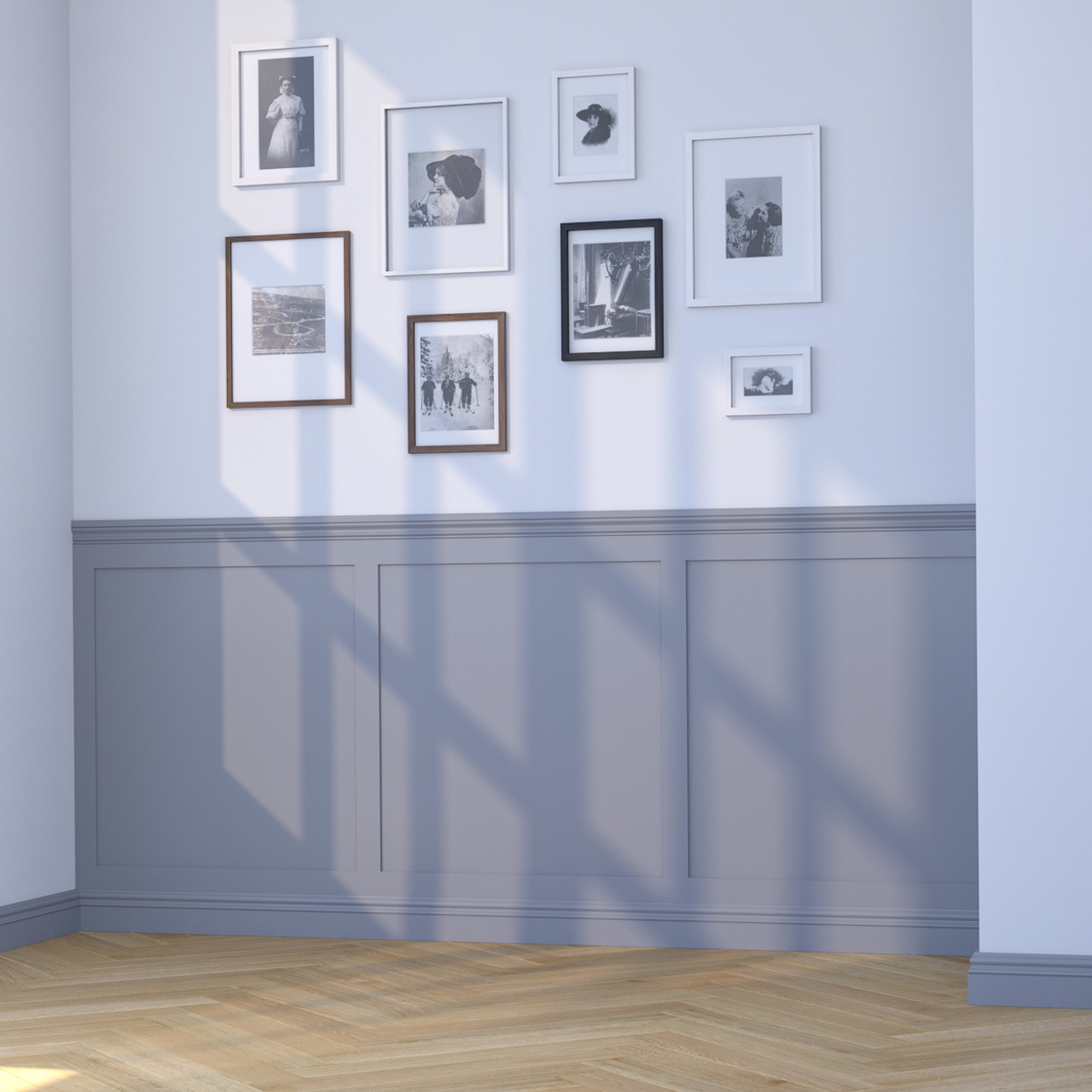
bathroom panels has long been a favored plan element in interior architecture, transcending trends and styles. Its power to heighten esthetics, better acoustics, and add warmth to a room makes it a varied selection for homeowners and designers likewise. This clause explores the various types of wall pane, their benefits, and tips for incorporating them into your home.
The History of Wall Paneling
Wall panelling dates back centuries, originating as a substance of insulating material in drafty homes. In gothic Europe, woody panels were used to wrap up walls and improve caloric solace. Over time, pane evolved into a cosmetic sport, with intricate designs and workmanship becoming hallmarks of confluent homes. Today, panelling clay pop not only for its functional benefits but also for its ability to metamorphose spaces.
Types of Wall Paneling
1. Wood Paneling
Wood panelling is perhaps the most classic form, providing a rich, organic fertiliser texture to any room. Available in various finishes, from svelte oak to countryfied pine, wood paneling can suit both traditional and contemporary designs. Tongue-and-groove boards, shiplap, and beadboard are common styles that can produce different visual personal effects.
2. MDF and Engineered Panels
Medium-density fiberboard(MDF) and other engineered panels volunteer a cost-effective option to solidness wood. They are available in a straddle of finishes and can be motley or painted to pit your interior decoration. These panels are jackanapes and easy to install, qualification them a nonclassical pick for DIY enthusiasts.
3. Vinyl and PVC Panels
Vinyl paneling is a practical selection for areas prostrate to wet, such as bathrooms and basements. Easy to clean and tolerant to water damage, vinyl radical panels come in a variety of designs that mimic the look of wood or stone without the associated upkee.
4. Stone and Brick Paneling
For a more spectacular effect, pit or brick paneling can add a rural or heavy-duty genius to your interiors. These materials produce a hitting focal point and are often used in sport walls, fireplaces, or accent areas.
Benefits of Wall Paneling
Aesthetic Appeal
Wall pane adds depth and to any room. Whether you choose a slick modern font look or a cozy bungalow vibe, paneling can change the ambience of a quad.
Improved Acoustics
Paneling can help absorb voice, making it an fantabulous choice for home theaters or medicine rooms. By adding a layer of material, wall pane can tighten echo and make a more nice sensory system .
Easy Maintenance
Many types of paneling are easy to strip and maintain, especially vinyl and engineered options. Regular dusting or wiping with a damp cloth is often adequate to keep them looking ne.
Insulation
Wall pane can supply an extra level of insulation, portion to keep your home warm in winter and cool in summer. This can lead to vim savings over time.
Incorporating Wall Paneling into Your Home
When considering wall panelling, think about the overall style of your home. For a united look, take colours and finishes that existing article of furniture and decor. You can use panelling as a sport wall or in conjunction with other design like wallpaper or paint.
Experiment with different patterns and layouts to find what resonates with your personal title. From vertical lines for a coeval feel to level shiplap for a laid-back, coastal vibe, the options are nigh infinite.
In termination, wall paneling is a unchanged plan choice that offers both beauty and functionality. Whether you rsquo;re renovating a I room or your entire home, consider incorporating paneling to bring up your quad and make a stable stamp.
nbsp;