Author: AlexSmith

Forex Trading in Dubai: Legal Rules, Brokers, and How to StartForex Trading in Dubai: Legal Rules, Brokers, and How to Start

Dubai has become a hotspot for forex trading, attracting traders from around the world due to its modern financial infrastructure, strategic location, and business-friendly environment. With growing interest among locals and expatriates alike, understanding the legal framework, selecting the right broker, and knowing how to start trading is essential for anyone entering the market.

This guide provides a comprehensive overview of forex trading in Dubai, covering the legal rules, choosing brokers, and practical steps for beginners.

Is Forex Trading Legal in Dubai?

Forex trading is legal in Dubai, but it is regulated to ensure fair and secure financial practices. The main regulatory authorities are:

  • Dubai Financial Services Authority (DFSA): Oversees brokers and trading firms within the Dubai International Financial Centre (DIFC).
  • Securities and Commodities Authority (SCA): Supervises the wider UAE market to maintain transparency and investor protection.

Trading through unregulated brokers is illegal and can put your funds at risk. Therefore, beginners should always verify a broker’s regulatory status before opening an account.

Dubai allows both residents and expatriates to trade forex legally, as long as they comply with regulatory requirements and KYC (Know Your Customer) procedures.

Choosing the Right Broker in Dubai

Selecting the right broker is critical for a smooth trading experience and long-term success. When evaluating brokers, consider the following:

  • Regulation: Always choose brokers licensed by the DFSA or reputable international authorities.
  • Trading Platforms: Most brokers offer MetaTrader 5 or MetaTrader 4. Platforms should provide advanced charts, technical indicators, and mobile access.
  • Trading Costs: Compare spreads, commissions, and overnight fees. Low-cost brokers reduce overall trading expenses.
  • Account Types: Islamic (swap-free) accounts are available for Sharia-compliant trading. Demo accounts are highly recommended for beginners.
  • Customer Support: Efficient support in English and Arabic ensures timely assistance when needed.

A well-regulated broker ensures fund safety, fair trading conditions, and access to professional tools that are essential for profitable trading.

How Beginners Can Start Forex Trading in Dubai

Step 1: Learn the Basics

Before opening a live account, beginners should invest time in education. Understanding currency pairs, pips, spreads, leverage, and trading strategies is crucial. Beginners can access comprehensive guides such as Forex Trading for Beginners to get a step-by-step introduction to the market.

Step 2: Open a Demo Account

Demo accounts allow beginners to practice trading without risking real money. This helps familiarize them with the trading platform, test strategies, and understand market behavior.

Step 3: Complete KYC Verification

Regulated brokers require identity verification for all clients. Beginners must submit documents such as:

  • Passport or Emirates ID
  • UAE residence visa
  • Proof of address (utility bill or bank statement)

Verification ensures compliance with anti-money laundering laws and protects both traders and brokers.

Step 4: Fund Your Account

Once verified, traders can deposit funds through bank transfers, credit/debit cards, or other supported payment methods. It is recommended to start with a small deposit while learning how the market works.

Step 5: Choose Trading Instruments

Dubai brokers provide access to a wide range of instruments, including major and minor currency pairs. Beginners may benefit from starting with the best forex pairs to trade because these pairs typically offer high liquidity and lower spreads.

Step 6: Develop a Trading Plan

A solid trading plan includes:

  • Entry and exit rules
  • Risk management strategies
  • Trading goals and position sizing
  • Journaling for review and improvement

Having a plan reduces emotional trading and helps beginners make consistent decisions.

Step 7: Start Small and Use Risk Management

Beginners should avoid over-leveraging and trade with manageable position sizes. Using stop-loss and take-profit orders protects capital and limits losses. Proper risk management is essential for long-term profitability.

Legal and Regulatory Considerations

  • Leverage Restrictions: While Dubai brokers often offer high leverage, beginners should use it cautiously.
  • Sharia Compliance: Muslim traders can request Islamic accounts to avoid interest-based transactions.
  • Taxes: Dubai currently has no personal income tax, so trading profits are generally untaxed. However, expats should be aware of tax obligations in their home countries if applicable.
  • Avoid Unlicensed Brokers: Engaging with unregulated brokers can result in lost funds and legal issues.

Advantages of Forex Trading in Dubai

  • Tax-Free Environment: Retain 100% of profits without income tax.
  • Modern Infrastructure: Reliable internet and banking systems for smooth trading.
  • Global Market Access: Traders can access major Asian, European, and US sessions conveniently.
  • Regulated Brokers: High standards for investor protection and fund safety.

Common Mistakes Beginners Make

  • Jumping into live trading without demo practice
  • Ignoring risk management and over-leveraging
  • Following tips blindly without understanding strategies
  • Choosing unregulated brokers

Avoiding these mistakes improves the chances of success in the forex market.

Final Thoughts

Forex trading in Dubai is both legal and accessible for residents and expatriates. Success depends on choosing a regulated broker, understanding market fundamentals, using proper risk management, and practicing disciplined trading. By following structured steps and leveraging educational resources like Forex Trading for Beginners, beginners can start trading safely and confidently.

Dubai offers a favorable environment with advanced infrastructure, tax advantages, and access to global markets. However, profitability requires preparation, patience, and continuous learning. Beginners should treat forex as a skill to develop rather than a way to earn quick money.

Accelerating Your Trading Career: How Funded Trading Programs Transform Market Aspirations into Professional RealityAccelerating Your Trading Career: How Funded Trading Programs Transform Market Aspirations into Professional Reality

The landscape of professional trading has transformed dramatically in recent years, creating unprecedented pathways for skilled individuals to access substantial trading capital without risking their personal savings. For ambitious traders seeking to elevate their market participation, identifying the Best Prop Firms for Futures represents a crucial first step toward building a sustainable and profitable trading career. These funding programs have democratized access to professional trading infrastructure, enabling talented individuals worldwide to compete alongside institutional participants.

The Revolution in Trading Capital Access

Traditional pathways to professional trading typically required either substantial personal wealth or employment at major financial institutions. These barriers excluded countless talented individuals who possessed trading skills but lacked capital or industry connections. The emergence of proprietary trading firms offering remote funding has fundamentally altered this equation.

Modern prop firms operate on a straightforward premise: identify skilled traders through evaluation processes and provide them with capital to trade. Successful traders share profits with the firm while enjoying access to resources far exceeding what they could obtain independently. This arrangement benefits both parties and has attracted growing participation from traders worldwide.

The technology infrastructure supporting remote prop trading has matured significantly. High-speed data feeds, professional trading platforms, and reliable execution services are now accessible to traders operating from home offices anywhere in the world. Geographic barriers that once limited trading opportunities have essentially disappeared.

Competition among prop firms has driven continuous improvement in offerings. Firms compete for talented traders by enhancing profit splits, reducing evaluation costs, expanding tradable markets, and improving support services. This competitive dynamic benefits traders who carefully evaluate their options.

Evaluating Prop Firm Quality and Reliability

Not all proprietary trading firms operate with equal integrity or offer comparable value. Distinguishing reputable firms from less reliable operators requires careful evaluation across multiple dimensions. Taking time for thorough due diligence protects against potential disappointment and wasted resources.

Regulatory status and corporate structure provide initial reliability indicators. Firms operating within established regulatory frameworks offer greater protection than those operating in unregulated environments. Understanding where a firm is incorporated and what oversight applies helps assess credibility.

Track record and longevity suggest organizational stability. Firms that have operated successfully for years demonstrate sustainable business models. Newer entrants may offer attractive terms but carry greater uncertainty regarding long-term viability.

Trader reviews and community feedback reveal practical experiences beyond marketing claims. Independent forums and social media groups often contain candid assessments from current and former funded traders. Patterns in feedback, both positive and negative, inform expectations.

Payout reliability represents perhaps the most critical consideration. Firms that consistently honor profit distributions build trust within the trading community. Delays, disputes, or failures to pay earned profits represent serious red flags warranting extreme caution.

Customer support quality affects day-to-day trading experience. Responsive, knowledgeable support teams resolve issues quickly and reduce frustration. Testing support responsiveness before committing to evaluations provides useful insight.

The Evaluation Process Explained

Prop firm evaluations test trading skills under conditions designed to identify consistently profitable and risk-disciplined traders. Understanding evaluation mechanics enables more effective preparation and increases success probability.

Profit targets establish the minimum gains required for evaluation passage. These targets vary across firms and account sizes, typically ranging from five to ten percent of initial balance. Achieving targets within specified timeframes while respecting risk parameters demonstrates trading competence.

Maximum drawdown limits define acceptable loss levels during evaluations. Exceeding these limits results in evaluation failure regardless of subsequent performance. Daily and overall drawdown limits both typically apply, requiring careful risk management.

Minimum trading days ensure evaluations reflect consistent activity rather than lucky single-trade outcomes. Most evaluations require trading on at least five to ten separate days, preventing passage through fortunate timing alone.

Consistency rules at some firms require relatively even distribution of profits rather than concentration in few trades. These rules aim to identify traders with repeatable edges rather than those who occasionally hit large winners through excessive risk.

Trading restrictions may prohibit certain strategies or behaviors during evaluations. Common restrictions include news trading limitations, overnight position restrictions, and requirements regarding stop-loss usage. Understanding specific rules before beginning evaluations prevents inadvertent violations.

Strategies for Evaluation Success

Approaching evaluations strategically significantly improves success rates. Many skilled traders fail evaluations not from lack of ability but from poor preparation or inappropriate mindset. Implementing proven approaches maximizes your probability of obtaining funding.

Starting conservatively preserves capital for later opportunities. Many traders begin evaluations aggressively, depleting their drawdown buffer early through oversized positions. Beginning with smaller positions until establishing profits provides room for later aggression if needed.

Focusing on high-probability setups rather than forcing trades demonstrates patience. Evaluations do not reward activity for its own sake; profits matter regardless of trade quantity. Waiting for optimal conditions rather than trading every market movement typically yields better results.

Managing emotions throughout the evaluation process maintains decision quality. The pressure of evaluation can amplify normal trading emotions, leading to poor choices. Treating evaluations like regular trading sessions rather than high-stakes tests helps maintain composure.

Preparing thoroughly before starting evaluations increases readiness. Practicing your strategy in simulation, ensuring familiarity with the platform, and confirming stable technology infrastructure prevents avoidable problems. Beginning evaluations only when fully prepared respects both your time and money.

Planning for multiple attempts acknowledges realistic success rates. Few traders pass evaluations on first attempts. Budgeting for several evaluations and viewing early failures as learning experiences maintains motivation through the process.

Maximizing Value from Funded Accounts

Obtaining funding represents a beginning rather than an end. How traders manage their funded accounts determines whether initial success translates into lasting trading careers. Thoughtful approaches to funded trading maximize long-term value.

Respecting risk parameters protects funded status. The same discipline that earned funding must continue afterward. Traders who abandon risk management after obtaining funding quickly lose their accounts and opportunity.

Scaling gradually allows adjustment to the psychological dynamics of funded trading. Trading someone else's capital creates different pressures than personal accounts or evaluations. Increasing size incrementally as comfort develops prevents overwhelming stress.

Building consistency before pursuing maximum profits establishes solid foundations. Steady, moderate gains compound over time into substantial returns. Chasing aggressive profits often leads to account loss instead.

Maintaining detailed performance records enables continuous improvement. Analyzing trading data reveals patterns invisible during live market action. Regular review sessions identify strengths to emphasize and weaknesses to address.

Communicating proactively with your prop firm prevents misunderstandings. Questions about rules, requests for scaling, or concerns about platform issues deserve prompt attention. Building positive relationships with firm representatives smooths potential future issues.

Understanding Market Hours and Session Dynamics

Different futures markets operate on varying schedules, creating distinct trading opportunities throughout the day. Understanding when specific markets offer optimal conditions helps traders focus efforts effectively and avoid low-quality trading periods.

Equity index futures trade nearly around the clock on electronic platforms, though activity levels vary dramatically across sessions. The core cash market hours generate the highest volume and most significant price movements for most traders.

Asian session activity typically sees reduced volume in equity index futures, though specific catalysts can generate notable moves. Traders operating during these hours must adapt to different liquidity conditions and volatility patterns.

European session opening often triggers directional moves as new participants enter markets. The overlap between European and American sessions frequently produces the day's most substantial movements and opportunities.

American session trading concentrates the majority of equity index volume and volatility. Economic releases, Federal Reserve communications, and corporate announcements clustering during these hours create numerous trading opportunities.

Understanding nasdaq futures trading hours enables precise timing for traders focusing on technology-heavy index exposure. The Nasdaq contract attracts substantial participation given the prominence of technology companies in modern markets.

Building Multiple Income Streams Through Prop Trading

Sophisticated traders often maintain relationships with multiple prop firms simultaneously. This diversification approach offers several advantages worth considering as trading careers develop.

Account redundancy provides backup if issues arise with any single firm. Technical problems, rule changes, or firm closures affect only portion of overall trading capacity when multiple accounts exist.

Strategy segregation allows different approaches across accounts. A trader might employ aggressive momentum strategies at one firm while pursuing more conservative mean-reversion at another. This separation simplifies performance tracking and risk management.

Scaling beyond single-firm limits becomes possible through multi-firm relationships. Maximum account sizes at individual firms may constrain traders whose strategies could deploy more capital profitably. Additional firm relationships expand total available capital.

Comparative learning through different platforms and rules reveals new possibilities. Exposure to varying requirements and infrastructure across firms often sparks ideas for improvement.

The Technology Foundation for Professional Trading

Successful prop trading requires reliable technology infrastructure. Underinvesting in essential tools creates unnecessary friction and potential for costly failures during critical market moments.

Internet connectivity represents the most fundamental requirement. Primary connections should offer sufficient speed and reliability for real-time trading. Backup connections through mobile hotspots or secondary providers protect against primary failures.

Computer hardware must handle trading platform demands without lag or crashes. Dedicated trading machines configured for performance rather than general use prevent competition for system resources during market hours.

Trading platform proficiency develops through deliberate practice. Every platform offers unique features and workflows. Mastering your specific platform's capabilities enables faster execution and more sophisticated order management.

Data backup procedures protect against catastrophic information loss. Trading journals, system settings, and performance records deserve regular backup to cloud services or external storage.

Psychological Sustainability in Trading Careers

Long-term trading success requires more than technical skill. Psychological sustainability determines whether traders endure through inevitable difficulties to reach consistent profitability.

Work-life balance prevents burnout that degrades decision quality. Markets operate constantly, but traders need rest and recovery. Establishing clear boundaries around trading hours preserves mental freshness.

Support systems provide essential perspective during challenging periods. Spouses, friends, mentors, or trading communities offer encouragement when markets prove difficult. Isolation amplifies negative emotions and distorted thinking.

Identity beyond trading maintains psychological stability. Traders whose entire self-worth depends on market performance experience dangerous emotional volatility. Cultivating interests and relationships outside trading creates stabilizing balance.

Physical health supports mental performance. Sleep, exercise, and nutrition directly affect cognitive function and emotional regulation. Neglecting physical wellbeing undermines the mental sharpness trading demands.

The Future of Prop Trading

The prop trading industry continues evolving rapidly. Understanding emerging trends helps traders position themselves advantageously for future opportunities.

Artificial intelligence tools increasingly augment trader decision-making. From pattern recognition to sentiment analysis, AI applications offer new edges for adaptable traders. Embracing rather than fearing these technologies positions traders favorably.

Regulatory developments may reshape industry structure. Increased oversight could affect firm operations, trader requirements, or profit arrangements. Staying informed about regulatory discussions enables proactive adaptation.

Global competition intensifies as traders worldwide access the same opportunities. Continuous improvement becomes essential simply to maintain competitive position, let alone advance.

New markets and products expand trading possibilities. Cryptocurrency derivatives, environmental futures, and other emerging instruments create opportunities for early-adopter traders.

Conclusion

Proprietary trading firms have created remarkable opportunities for skilled traders to build professional careers without massive personal capital requirements. Success in this environment demands disciplined preparation, careful firm selection, and ongoing commitment to improvement.

FundingTicks provides aspiring and established traders with the resources, support, and funding opportunities needed to thrive in modern markets. Through comprehensive evaluation programs, competitive profit arrangements, and trader-focused policies, FundingTicks helps transform trading aspirations into sustainable professional reality.

The path to funded trading success requires dedication, patience, and resilience through inevitable challenges. Those who persist through difficulties while continuously refining their skills discover prop trading offers exceptional potential for financial independence and professional fulfillment. The opportunity exists for committed traders ready to embrace the journey.

How to Optimize MT5 Settings for Low-Latency Trading EnvironmentsHow to Optimize MT5 Settings for Low-Latency Trading Environments

For funded traders, execution speed can be the difference between profitable trades and missed opportunities. Low-latency trading is essential, especially when scalping or trading high-frequency strategies on a best prop firm account. MetaTrader 5 (MT5) provides a variety of settings and features that, when optimized, help traders minimize latency, improve execution speed, and maintain consistent performance.

This article explores practical ways to optimize MT5 for low-latency environments, ensuring funded traders can execute strategies efficiently and reliably.

Understanding Low-Latency Trading

Low-latency trading refers to minimizing the time between market signals and trade execution. In fast-moving markets, even a few milliseconds can affect profitability, particularly in scalping or high-frequency strategies. Latency can be caused by:

  • Slow internet connections
  • Broker server delays
  • Heavy platform load from multiple charts or indicators
  • External software running simultaneously

By addressing these factors in MT5, funded traders can maintain tighter control over trade execution.

Optimizing Internet and Connection Settings

The foundation of low-latency trading is a stable, high-speed internet connection. In MT5, traders can:

  • Select the Nearest Server: Connect to a broker server geographically closest to reduce transmission time.
  • Use Wired Connections: Avoid Wi-Fi for critical trading to ensure consistent speed and reliability.
  • Enable Fast Requote Settings: Adjust platform settings to accept minor price differences without delays.

These basic adjustments reduce the time it takes for orders to reach the broker, minimizing slippage and improving trade accuracy.

Configuring MT5 for Optimal Performance

MT5 performance depends heavily on platform settings. Funded traders can improve execution speed by:

  • Limiting Open Charts: Too many active charts and indicators can slow down processing. Focus on key instruments.
  • Disabling Unnecessary Indicators: Complex or poorly coded indicators can add latency. Use lightweight, efficient versions.
  • Adjusting Chart Refresh Rates: MT5 allows traders to control how often charts update; setting an appropriate rate reduces CPU load.
  • Memory Optimization: Close unused applications on your computer to allocate maximum resources to MT5.

Optimizing these settings ensures that MT5 runs smoothly even during high-volatility periods.

Using Tick Charts for Fast Decision-Making

Tick charts display every market transaction in real-time, making them ideal for low-latency strategies. Unlike time-based charts, tick charts allow funded traders to react immediately to micro-movements in price. MT5 supports multiple tick chart windows, letting traders monitor several instruments simultaneously without sacrificing speed.

For best prop firm traders, combining tick charts with pre-set alerts ensures trades are executed as soon as market conditions meet strategy requirements, reducing reaction time and increasing efficiency.

Leveraging Expert Advisors and Automation

Automated trading through MT5 Expert Advisors (EAs) is a key method for low-latency trading. EAs can execute trades instantly, eliminating human reaction delays. Optimizing EAs for speed involves:

  • Using Efficient Coding: Avoid unnecessary loops or heavy calculations that slow execution.
  • Pre-Loading Data: Ensure that the EA preloads required indicators to reduce processing time.
  • Backtesting in Low-Latency Scenarios: Simulate fast market conditions to verify the EA’s speed and reliability.

Properly configured EAs allow funded traders to execute strategies with precision, essential for prop firm accounts with strict performance rules.

Monitoring Latency and Execution Metrics

MT5 provides tools to track execution speed and slippage:

  • Journal Logs: Review timestamps for trade execution and order confirmation.
  • Trade History: Analyze slippage and fill times for each executed trade.
  • Custom Scripts: Some traders implement scripts that track latency in real-time, alerting them to potential execution delays.

By monitoring these metrics, traders can make informed adjustments to improve overall speed and efficiency.

Practical Tips for Low-Latency Trading in MT5

  1. Use a VPS (Virtual Private Server): Hosting MT5 close to the broker’s servers reduces transmission delays.
  2. Prioritize Key Instruments: Limit open charts to assets actively traded to reduce system load.
  3. Simplify Indicators: Only use essential indicators to minimize processing overhead.
  4. Test During High Volatility: Simulate market spikes to identify potential latency issues before trading live.
  5. Regularly Update MT5: Ensure the platform is up-to-date to benefit from performance optimizations.

Implementing these tips ensures that MT5 performs reliably even under demanding trading conditions.

Example Scenario for Funded Traders

A prop trader scalping EUR/USD and USD/JPY during overlapping London-New York sessions:

  • Uses a VPS located near the broker’s server for faster execution.
  • Monitors both pairs on tick charts for micro-trend movements.
  • Automated EAs execute trades instantly based on pre-defined conditions.
  • Slippage is tracked via MT5 logs, and alerts notify the trader if execution exceeds set thresholds.

This setup allows the trader to react instantly to market movements while remaining compliant with prop firm risk and performance rules.

Conclusion

Optimizing MetaTrader 5 settings for low-latency environments is essential for funded traders who rely on speed and precision. From connection optimization and platform configuration to tick chart monitoring and EA automation, every adjustment can improve execution efficiency.

Funded traders on a best prop firm account can leverage these optimizations to minimize slippage, maintain strict risk compliance, and maximize trading performance. Low-latency MT5 setups provide the foundation for executing strategies effectively in fast-moving markets, giving traders a competitive edge in the world of prop trading.

Trading Futures vs Options: Insights from the Best Prop Firm for FuturesTrading Futures vs Options: Insights from the Best Prop Firm for Futures

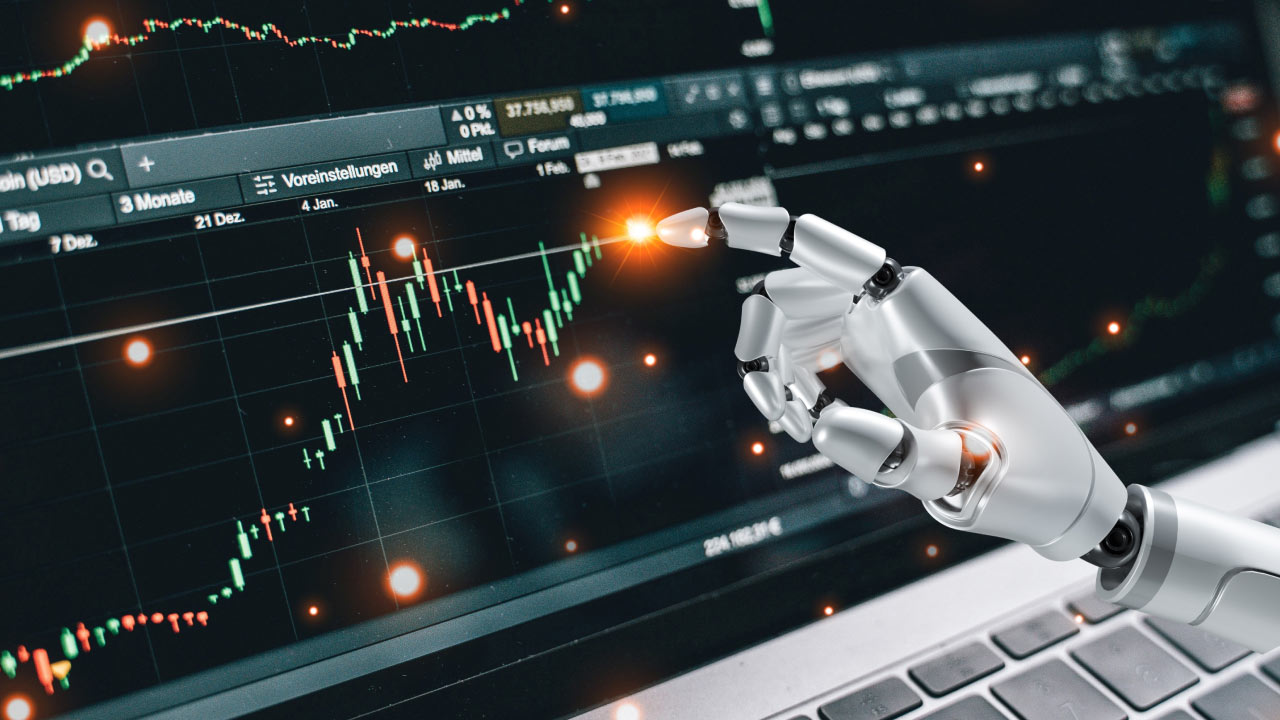
Benefits and Risks of Using AI in Trading: A robotic hand interacting with a forex trading chart on a computer screen, symbolizing AI-driven trading strategies.

When it comes to trading financial derivatives, futures and options stand out as two of the most popular instruments. Both offer unique opportunities and risks, and choosing between them can significantly impact a trader’s strategy and outcomes. The Best Prop Firm for Futures often guides traders on the nuances of these instruments to help them optimize performance and manage risk effectively. In this article, we’ll explore the key differences between trading futures and options, their advantages, and how the best prop firm for futures supports traders in making informed decisions.

Understanding Futures and Options

Before diving into the comparison, it’s essential to understand what futures and options are.

  • Futures Contracts are agreements to buy or sell an asset at a predetermined price on a specific future date. They are standardized contracts traded on exchanges, obligating the buyer and seller to transact at the agreed price.

     
  • Options Contracts give the buyer the right, but not the obligation, to buy (call option) or sell (put option) an asset at a set price before or on a specific date. Sellers of options have the obligation to fulfill the contract if the buyer chooses to exercise the option.


Leverage and Capital Requirements

One major distinction between futures and options lies in leverage and capital demands.

Futures contracts typically require traders to put up a margin—a fraction of the total contract value—as collateral. This margin allows significant leverage, enabling traders to control large positions with relatively small capital. The Best Prop Firm for Futures leverages this feature to provide traders with substantial buying power, increasing profit potential while enforcing strict risk management rules to avoid large losses.

Options, on the other hand, often require a smaller upfront premium to purchase. This premium represents the maximum loss a buyer can face, offering a defined risk profile. However, sellers of options may face unlimited risk, depending on the contract and market movement.

Risk and Reward Profiles

The risk and reward characteristics of futures and options differ notably.

  • Futures Trading involves symmetrical risk and reward. Both profits and losses can be unlimited, depending on how the market moves relative to the contract price. This potential for large gains and losses means traders must exercise discipline and effective risk management, a focus area at the Best Prop Firm for Futures.

     
  • Options Trading provides asymmetric risk profiles. Buyers know their maximum risk upfront (the premium paid), while sellers may take on higher risk in exchange for the premium received. This asymmetry allows for strategies that can limit downside while providing upside potential, making options attractive for hedging and speculative purposes.


Complexity and Strategy Flexibility

Trading futures is often more straightforward compared to options. Futures involve direct bets on the price direction of the underlying asset, which can suit traders who prefer simpler, directional strategies.

Options, however, are inherently more complex. They allow for a wide range of strategies, including spreads, straddles, and combinations that can profit in various market conditions—rising, falling, or sideways. The Best Prop Firm for Futures recognizes this and provides advanced training to traders interested in options strategies, emphasizing understanding Greeks (delta, gamma, theta, and vega) and implied volatility.

Liquidity and Market Access

Futures markets are typically highly liquid, especially for popular contracts like E-mini S&P 500 or crude oil futures. High liquidity ensures tighter spreads, quicker executions, and less slippage, which are crucial for day trading and scalping strategies encouraged by many prop firms.

Options markets vary in liquidity depending on the underlying asset and contract specifics. While popular options tend to be liquid, less traded contracts may have wider spreads, increasing trading costs.

Margin and Capital Efficiency

From a prop firm perspective, futures can be more capital-efficient because margin requirements are usually standardized and transparent. Traders know exactly what is required and can leverage their capital accordingly.

Options require understanding premiums and margin requirements for both buyers and sellers. Prop firms that offer both futures and options trading often implement risk-based margining systems to ensure capital adequacy, which traders must adhere to strictly.

Trading Costs and Fees

Futures contracts generally have lower trading costs, with fees primarily involving commissions and exchange fees. Because futures contracts have no upfront premium, traders can enter positions without paying a significant initial cost.

Options trading involves paying premiums for buyers, which can add up if positions are held long term or if options expire worthless. Sellers collect premiums but may pay higher margin fees depending on risk exposure.

The Best Prop Firm for Futures ensures that traders understand these cost structures so they can factor them into their overall trading plans.

Support and Education from the Best Prop Firm for Futures

Navigating the differences between futures and options can be challenging, especially for new traders. The Best Prop Firm for Futures plays a vital role in educating traders on these instruments. Comprehensive training programs cover everything from contract specifications and trading mechanics to advanced risk management and strategy development.

Additionally, prop firms often provide simulated trading environments where traders can practice futures and options strategies without risking real capital. This paper trading phase is crucial to build confidence and skills before moving to live funded accounts.

Conclusion

Choosing between trading futures vs options depends on a trader’s risk tolerance, strategy preference, and capital availability. Futures offer straightforward, leveraged trading with symmetrical risk and reward, while options provide flexibility and defined risk with more complex strategies.

The Best Prop Firm for Futures supports traders in understanding these differences and tailoring their approach accordingly. By combining expert education, risk management discipline, and access to advanced trading tools, the best prop firm empowers traders to succeed whether they choose futures, options, or a combination of both.

For anyone serious about professional trading, gaining expertise in both futures and options through a reputable prop firm is a strategic step toward long-term profitability.


Day Trading Techniques for UK Prop Firm TradersDay Trading Techniques for UK Prop Firm Traders

Benefits and Risks of Using AI in Trading: A robotic hand interacting with a forex trading chart on a computer screen, symbolizing AI-driven trading strategies.

Introduction to Day Trading in UK Prop Firms
Day trading is a dynamic and fast-paced form of trading where traders open and close positions within a single trading day. For UK prop firm traders, day trading offers an opportunity to leverage capital efficiently while honing trading skills in real-time market conditions. A successful day trading strategy requires discipline, careful planning, and a thorough understanding of market behaviors. This article explores essential day trading techniques for traders in UK prop firms, emphasizing practical approaches to maximize performance while staying focused on risk management.

Understanding the Role of a UK Prop Firm Trader
UK prop firm traders operate within a structured environment that provides access to trading capital, platforms, and professional support. Unlike individual trading, prop firm traders are accountable for the firm’s funds, making risk management and precision crucial. The primary goal is to generate consistent profits while protecting the allocated capital. Developing an effective day trading approach involves mastering market timing, recognizing trading signals, and utilizing the tools provided by the prop firm.

Essential Day Trading Techniques

  1. Technical Analysis and Chart Reading
    Technical analysis forms the foundation of day trading. UK prop firm traders often rely on charts to interpret price movements, trends, and patterns. By analyzing candlestick formations, support and resistance levels, and moving averages, traders can make informed decisions about entry and exit points. Understanding chart patterns, such as breakouts or reversals, helps traders anticipate potential price action and react quickly to market changes.
     
  2. Using Trading Platforms Effectively
    A key aspect of successful day trading is familiarity with the trading platform. UK prop firms provide platforms that enable real-time market monitoring, order execution, and performance tracking. Traders should learn to customize the platform layout, use alerts, and execute trades efficiently. Mastering platform tools ensures that opportunities are not missed, and decision-making remains accurate under fast-moving market conditions.
     
  3. Risk Management Strategies
    Effective risk management is vital for prop firm traders. Each trade should have a defined risk-reward ratio, and stop-loss orders should be used to protect capital from significant losses. Managing risk also involves determining the appropriate trade size relative to the available account balance. Day traders should develop rules for limiting exposure to individual trades and for maintaining consistency across multiple trades.
     
  4. Market Timing and Volatility Awareness
    Day trading requires awareness of market timing and volatility. Certain periods of the day tend to experience higher liquidity and price movements, which can be advantageous for traders. Understanding when markets are most active allows UK prop firm traders to capitalize on price fluctuations while avoiding low-volume periods that may lead to uncertain trading outcomes.
     
  5. Psychological Discipline and Focus
    Mental strength plays a critical role in day trading success. Traders must maintain discipline, adhere to their trading plan, and avoid impulsive decisions. Emotional control helps traders stick to predefined strategies, even when the market exhibits unexpected volatility. Developing a routine for analysis, execution, and review enhances focus and reduces the influence of stress on trading decisions.
     

Practical Tips for UK Prop Firm Day Traders
Traders can implement several practical strategies to enhance performance within UK prop firms. Maintaining a trading journal to record trades, setups, and outcomes helps identify strengths and areas for improvement. Regular review of trading performance allows traders to refine techniques and adapt to changing market conditions. Additionally, staying updated with market news, economic events, and regulatory developments can provide context for trading decisions.

Another important tip is to develop a consistent pre-market routine. This includes analyzing overnight price action, reviewing economic calendars, and identifying potential setups. A structured approach helps traders begin the day with a clear strategy, improving confidence and execution speed.

Leveraging Technology and Tools
UK prop firm traders have access to advanced technology, including charting software, technical indicators, and algorithmic tools. Leveraging these tools can improve trade analysis, signal identification, and order execution. For example, traders may use moving averages, RSI, or volume indicators to confirm market trends and validate trading opportunities. Using these tools effectively requires practice and understanding, ensuring that technology enhances rather than complicates the trading process.

Conclusion
Day trading within a UK prop firm offers an exciting opportunity to develop skills, manage professional trading capital, and engage with financial markets actively. Success relies on mastering technical analysis, executing trades efficiently on trading platforms, managing risk carefully, and maintaining psychological discipline. By following structured techniques and integrating practical strategies, UK prop firm traders can navigate the fast-paced environment of day trading with confidence and consistency. The focus on skill development, routine, and strategic execution ensures that traders maximize the potential of their funded accounts while maintaining a disciplined approach to the market.