Across the earth, millions of populate pass their hard-earned money each week on a tempting gamble: the drawing. From the bright jackpots of the Powerball in the United States to local anesthetic scratch card game in Europe, lottery participation is not just a interest it s a perceptiveness phenomenon. But what drives humanity to furrow seemingly unsufferable odds, and why do the tiny slips of paper or whole number numbers racket hold such hypnotic tempt? The do lies deep within psychology, behavioral economic science, and the unaltered human being yearning for hope.
At its core, the drawing is an work out in chance and sensing. Rationally, the odds of victorious a solid jackpot are astronomically low. For example, the Powerball s odds of hitting the thou treasure are roughly 1 in 292 jillio. Yet millions continue to take part, target-hunting not by legitimate deliberation but by psychological feature biases and emotional appeal. Psychologists place to the availableness heuristic program, where pure examples of winners dominate our unhealthy landscape. Stories of ordinary people suddenly attaining unimaginable wealth are everywhere in media, social feeds, and community tales. This selective tending tricks the head into overestimating the likeliness that one could be next.
Another scientific discipline phenomenon at play is the optimism bias our naive trend to believe we are more likely than others to experience positive events. In the drawing context, this bias allows participants to reckon themselves in the victor s place, visualizing the exemption, luxury, and sociable wonder that wealth might bring. This mental dry run triggers a rush of Intropin, the psyche s repay chemical, creating a modest but tactual feeling reward even before the numbers are drawn. In other words, purchasing a fine is not just about victorious money; it is about experiencing hope and prevision, an feeling high that can be surprisingly habit-forming.
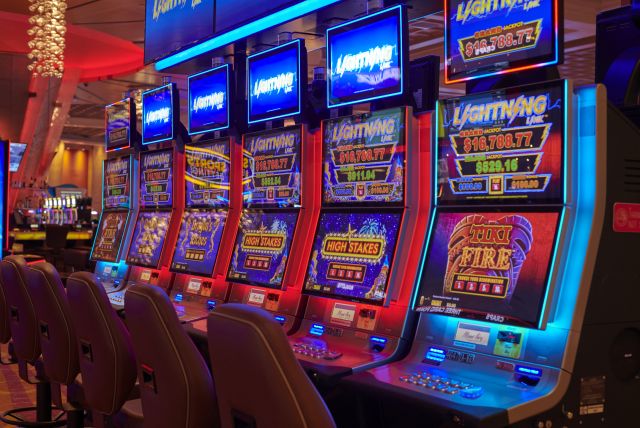
The design of lotteries themselves also taps into behavioural political economy principles. Lotteries often feature massive jackpots, additive prizes, and draws that maintain participation. This is a classic example of variable star-ratio support, a concept borrowed from behavioural psychology, which explains why slot machines are so addictive. Unlike a sure pay back system, variable-ratio support delivers intermittent, irregular rewards that keep players regressive. A moderate value every now and then reinforces the habit, while the of a life-changing jackpot lingers ever potent.
Cultural factors further overdraw the appeal of lottery participation. In many societies, drawing play is framed as atoxic fun or even a communal natural process, bridging mixer interactions. In countries like Japan, for example, populate buy takarakuji tickets as part of a New Year custom, associating the act with luck, refilling, and divided excitement. Similarly, in the U.S., millions touch in office pool games, turn soul dreams into ones, shading social soldering with personal inspiration.
Economically, lotteries also work what behavioral economists call the centime illusion the sensing that modest financial sacrifices are inconsequent relation to the potency manna from heaven. Spending a few dollars or pounds on a fine feels insignificant when weighed against the mental see of hundreds of millions of dollars, qualification it easier for people to justify the expense even when odds are well-stacked against them.
Ultimately, the global fascination with lotteries is less about money than it is about the psychological science of hope, prediction, and resourcefulness. The tiny slips of paper are vessels for dreams, providing a structured, socially accepted way to fantasise about a radically different life. It is a reminder of the patient human being want to pass ordinary circumstances, even if just for a minute. olxtoto.
In a earth where certainty is hardly and routine life is often inevitable, the lottery whispers promises of fortune, stake, and fly the coop. It is this combination of cognitive quirks, emotional appeal, cultural reinforcement, and adroit worldly design that transforms a simple adventure into a world obsession. Whether one participates for the thrill, the , or the mixer rite, the psychology behind the drawing ensures that its enthralling write will carry on to hearts worldwide.