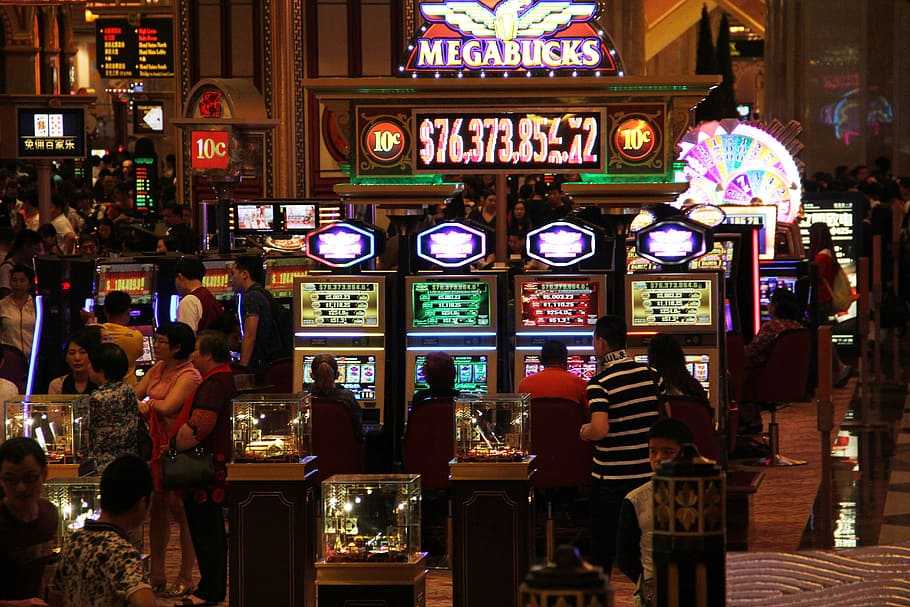
The modern casino floor is not a temple of chance but a meticulously engineered behavioral loop, where every light, sound, and spatial arrangement is a calculated variable. To observe creatively within this environment is to move beyond player psychology and deconstruct the operational and mathematical architecture that dictates profitability. This investigative analysis challenges the conventional focus on addiction, pivoting instead to the high-stakes design philosophies and data exploitation that form the industry’s true backbone. The following exploration dissects the convergence of behavioral economics, sensory engineering, and real-time analytics that transforms observation from passive surveillance into an active, creative science of revenue optimization.
The Quantified Casino: Data as the New High Roller
In 2024, the leading casino operators allocate over 32% of their technology budgets to integrated data aggregation platforms, a 15% year-over-year increase. This statistic signifies a paradigm shift from viewing patrons as gamblers to treating them as multifaceted data entities. Every interaction—from loyalty card swipes and drink purchase frequency to dwell time at specific situs toto banks and biometric cues captured via advanced (yet discreet) optical sensors—feeds a centralized customer data platform (CDP). The creative observer now interprets this data stream, identifying micro-patterns invisible to the human eye, such as the correlation between a player’s rate of button-pressing and their proximity to a loss-chasing threshold.
Subverting Slot Volatility Perception
Creative observation has exposed a critical flaw in traditional Return to Player (RTP) models: player perception of volatility is more impactful than mathematical volatility itself. A 2023 industry study revealed that slots with identical RTP and variance can exhibit up to a 40% difference in hold percentage based purely on audiovisual feedback patterns. Operators now employ “perception architects” who design games where near-miss events are not random but strategically placed within reel-stop algorithms to create a narrative of “almost winning,” a sensation proven by neuroscientific studies to activate the dorsal striatum similarly to an actual win. This creative manipulation of observable outcomes fundamentally alters the player’s risk assessment.
- Sensory Synchronization: Advanced slots now dynamically adjust their soundtrack’s tempo and harmonic tension in real-time based on the player’s bet size and recent outcomes, using subliminal auditory cues to modulate emotional state and prolong play sessions.
- Spatial Heat Mapping: RFID-enabled chips and mobile gaming apps generate real-time heat maps of wagering density, allowing for the dynamic reconfiguration of table minimums and machine denominations to capitalize on observed crowd flow and spending sentiment.
- Predictive Attrition Modeling: Machine learning algorithms analyze thousands of data points to predict the exact moment a player is likely to cash out, triggering a precisely timed “player appreciation” bonus or host interaction to disrupt the exit decision cycle.
Case Study: The “Ethereal Hold” Project
Initial Problem: A mid-tier regional casino faced stagnating slot hold percentages despite a refreshed game library. Traditional analysis showed adequate win rates, but player session data indicated a sharp drop-off after 23 minutes of play, suggesting an engagement cliff not linked to bankroll depletion.
Specific Intervention: The creative observation team hypothesized the issue was rhythmic fatigue—a subconscious boredom with the predictable audiovisual loop of modern slots. They intervened not with game changes, but with an environmental overlay system called “Aura Modulation.”
Exact Methodology: Using the existing casino management system, they tagged machines with low session durations. They then installed a network of programmable, directional LED lights and subtle ambient speakers in the ceiling above these zones. A proprietary algorithm, linked to the slot’s internal event feed, would trigger gentle, non-game-specific light blooms (shifting from cool to warm hues) and unique, abstract sound textures upon detecting a string of non-winning spins. This created a secondary, ambient reward layer disconnected from monetary outcomes but tied to persistence.
Quantified Outcome: Over a 90-day trial, machines in the Aura Modulation zone saw a 28% increase in average session duration (from 23 to 29.5 minutes) and a 17% increase in total coin-in. Critically, post-session survey data showed a 22% higher “enjoyment” score, despite the actual game RTP remaining unchanged. The creative observation of player rhythm, not just spending, unlocked latent value.
The Contrarian Edge: Observing for Player Empowerment
The most innovative application of creative observation is paradoxically its use for player-centric transparency. A