Tannhauser The Game Education Ultimate Nclex Review Steer 2025: Pass Your Rn Or Lpn Exam On The First Try

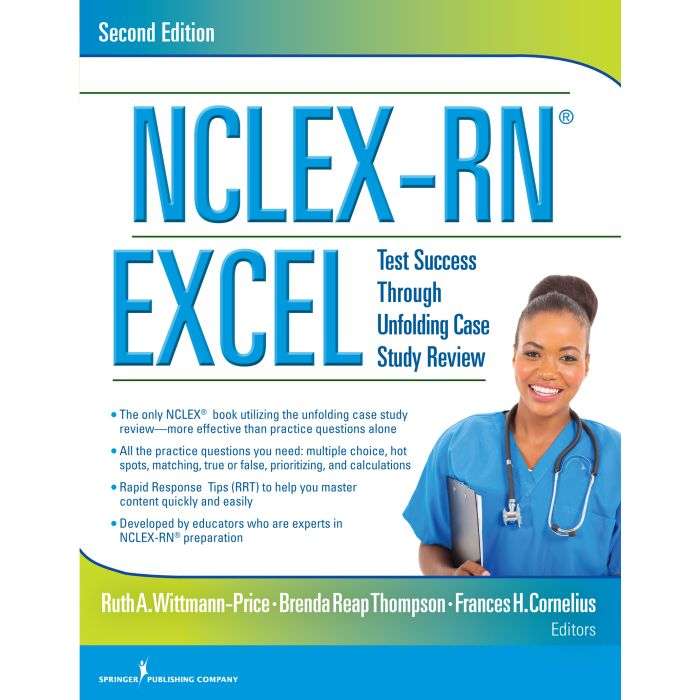
Ultimate Nclex Review Steer 2025: Pass Your Rn Or Lpn Exam On The First Try


Preparing for the NCLEX in 2025 is one of the most meaningful steps in your journey to becoming a authorised entertain. Whether you re aiming to become a Registered Nurse(RN) or a

⁠Licensed Practical Nurse (LPN), passing the exam on your first try requires inscription, the right resources, and a scheme. With the test perpetually evolving especially with the execution of the Next Generation NCLEX(NGN) it's more crucial than ever to empathize what to and how to train effectively.


The NCLEX isn't just about memorizing facts; it s premeditated to test your ability to think , prioritize affected role care, and employ your clinical noesis in realistic scenarios. The updated edition of the exam focuses more on clinical discernment and decision-making, using case studies and original question formats that mime real-life situations in the health care scene. Knowing how to go about these types of questions is vital, as they can make up a significant allot of your overall test.


One of the best ways to begin your NCLEX prep is to tax your current strengths and weaknesses. Identify the content areas where you feel most confident, and those that need more care. Commonly well-tried areas let in pharmacology, medical examination-surgical breast feeding, unhealthy health, paternal and neonate care, pediatric medicine, and safety infection control. Having a personalized contemplate plan helps you sharpen your efforts and avoid cachexia time on topics you ve already down.


Creating a homogeneous and philosophical theory contemplate schedule is requisite. Many students make the mistake of cramming a few weeks before the exam, which often leads to burnout and turn down retentivity. Instead, aim for calm, daily meditate Roger Sessions ideally over a span of two to three months. Breaking your meditate plan into tractable chunks, such as focus on one subject per week, can keep you organized and reduce stress.


Choosing the right meditate materials can make a huge remainder. There are plenty of NCLEX reexamine books, Mobile apps, video recording lectures, and online question Sir Joseph Banks to take from. Prioritize resources that are up-to-date with the 2025 NGN initialize. Look for those that let in case-based questions, bow-tie and ground substance formats, and detailed rationales. Rationales are especially utile because they why an suffice is or wrong, which deepens your sympathy of breast feeding concepts and helps with noesis retention.


Practice questions should be a John Major part of your  preparation. Doing thousands of questions may seem resistless, but it's one of the most operational ways to reinforce erudition. Use wonder banks that simulate the real exam initialise and cater reconciling examination experiences. Full-length practice exams also help build your test-taking staying power and give you a feel of how well you re progressing.


Equally world-shaking is reviewing your rehearse test results. Don t just move on from a low score take the time to psychoanalyze your mistakes and empathise what went wrongfulness. This reflective work helps keep continual errors and strengthens your indispensable thinking. Consider holding a notebook computer or whole number tracker where you log wrong answers and the key concepts behind them.


Many students also profit from joining a structured NCLEX reexamine course. These can be online or in-person and are typically led by experient harbor educators. Review courses offer comp content breakdowns, live or recorded lectures, study schedules, and peer support. If you're someone who learns best with direction and answerability, this choice could be Worth the investment.


Don t undervalue the scientific discipline vista of NCLEX prep. Exam anxiety is real, and it can impact your public presentation if left uncurbed. Practice stress-reduction techniques like heedfulness, deep ventilation, or even short walks during breaks. Maintaining a healthy function that includes proper slumber, hydration, and victual will also help you stay focussed and energized during your meditate period.


As your test day approaches, taper off your contemplate volume. The week before the exam should be more about reexamine than cramming. Revisit high-yield topics, take a few practise questions, and sharpen on edifice trust rather than erudition new stuff. On the night before the test, try to unwind and get a full Night s sleep out your brain performs best when it s well-rested.


On exam day, arrive early on, bring on the requisite identification, and exert a calm outlook. The NCLEX is reconciling, so the come of questions you get can vary. Some populate end up in 75 questions, others in 145. Don t terror if your test feels difficult that usually means you re doing well, as the computing device adjusts the difficulty based on your performance.


Passing the NCLEX on your first try is wholly manageable with a disciplined go about, the right resources, and a sure-footed mindset. Every question you suffice during grooming builds your nonsubjective discernment and brings you one step to becoming a authorised nurse. Keep your focalize, believe in your power, and trust the work on you ve worked hard to get here, and now it's time to finish strong.


Leave a Reply

Your email address will not be published. Required fields are marked *

Related Post

WAEC Answers Explained: What Every Student Should KnowWAEC Answers Explained: What Every Student Should Know

The West African Examinations Council, commonly known as WAEC, conducts one of the most significant examinations for secondary school students across West Africa. These exams, including the West African Senior School Certificate Examination (WASSCE), are a crucial stepping stone for students seeking higher education or professional careers. As a result, many students often search for “waec answers” to guide their preparation or clarify doubts. Understanding what WAEC answers entail, how they are structured, and how they should be approached is essential for every student who aims to succeed in these exams waec answers.

Understanding WAEC Exams

WAEC exams are designed to assess students' comprehension, analytical skills, and application of knowledge across various subjects. Unlike simple memorization tests, WAEC exams often require critical thinking, problem-solving, and a deep understanding of the syllabus. Each subject has its own format, which typically includes multiple-choice questions, essays, and practical or project-based components. The results of these exams are widely recognized and used for university admissions, job applications, and professional certifications.

It is important for students to note that while “waec answers” may be sought online, genuine success in WAEC comes from understanding the concepts behind the questions. Memorizing answers without comprehension is rarely effective, as WAEC updates its question patterns regularly to ensure fairness and to test genuine knowledge.

The Role of WAEC Answers in Preparation

WAEC answers play a critical role in the study process when used ethically. They are often used as reference materials to help students:

  1. Verify their understanding: Comparing answers after practicing past questions can highlight areas that need improvement.
     
  2. Familiarize with exam formats: By reviewing answers to previous exams, students can understand common question types, marking schemes, and how answers are structured.
     
  3. Identify knowledge gaps: When students attempt questions and then compare their solutions with verified WAEC answers, they can pinpoint weak areas that require further study.
     

It is crucial to use waec answers as a guide rather than a shortcut. Relying solely on external answers without studying the underlying concepts can lead to poor performance, as examiners often change question phrasing or introduce new topics.

Common Subjects and How WAEC Answers Help

WAEC exams cover a wide range of subjects, each with unique requirements. Using waec answers appropriately can help students in different ways depending on the subject.

Mathematics and Science Subjects

For mathematics and science subjects such as Physics, Chemistry, and Biology, WAEC answers provide step-by-step solutions to problems. This is particularly helpful because many students struggle with problem-solving techniques or applying formulas. By reviewing correct solutions, students can learn how to approach questions logically, perform calculations accurately, and avoid common mistakes.

Languages and Arts Subjects

In subjects like English, Literature, and History, WAEC answers demonstrate how to structure essays, interpret texts, and analyze historical events. Reviewing sample answers allows students to understand the expectations of examiners regarding essay clarity, argument development, and grammar usage. This improves their writing skills and boosts confidence during the actual examination.

Technical and Vocational Subjects

For subjects like Agriculture, Economics, and Government, WAEC answers often include case studies, project examples, or practical solutions. Understanding these examples helps students apply theoretical knowledge to practical scenarios, which is a common requirement in these subjects.

Ethical Considerations in Using WAEC Answers

While waec answers are widely sought, it is important to emphasize ethical usage. Sharing or using answers dishonestly is illegal and can lead to severe consequences, including disqualification from the exam and legal action. Students should focus on using verified answers as study aids rather than as a means to cheat.

Ethical use involves:

  • Practicing past questions and comparing them with correct solutions.
     
  • Learning how to solve problems step by step using the answers as references.
     
  • Understanding the rationale behind answers instead of blindly memorizing them.
     

By maintaining integrity, students not only avoid disciplinary issues but also ensure long-term mastery of the subjects they study.

Tips for Effectively Using WAEC Answers

To maximize the benefits of waec answers, students should adopt structured study strategies. Here are some practical tips:

  1. Start with the syllabus: Before consulting any answers, review the syllabus thoroughly. Knowing what topics are covered helps in targeted practice.
     
  2. Attempt questions independently: Try solving past questions without looking at answers. This builds confidence and identifies areas that need improvement.
     
  3. Use answers for verification: After attempting questions, compare your solutions with verified WAEC answers to check accuracy and learn correct methods.
     
  4. Analyze patterns: Over time, students can identify recurring question types or commonly tested topics by reviewing multiple past answers.
     
  5. Practice time management: WAEC exams are time-bound, so practicing under timed conditions using past questions and answers improves speed and efficiency.
     
  6. Seek guidance: Teachers and mentors can help explain difficult answers, ensuring students fully understand the reasoning behind solutions.
     

Preparing Mentally and Academically

Apart from mastering content, mental preparation is key to excelling in WAEC exams. Anxiety, stress, and lack of focus can affect performance. Students should practice relaxation techniques, maintain a balanced study schedule, and take breaks to avoid burnout. Reviewing waec answers can boost confidence by giving students a clear sense of what to expect, but it should be coupled with consistent study and self-assessment.

The Future of WAEC and Digital Resources

In recent years, digital platforms have made accessing waec answers easier than ever. Students can find interactive resources, video explanations, and online forums discussing solutions. While these tools are helpful, critical thinking and independent study remain irreplaceable. WAEC is continually updating its examination format, meaning students who rely solely on memorized answers risk underperforming.

Educators encourage using technology wisely to complement traditional study methods. Digital resources can provide instant feedback, offer diverse problem-solving techniques, and foster collaborative learning, all of which strengthen understanding of complex topics.

Conclusion

WAEC exams are a defining moment in the academic journey of many West African students. While waec answers can serve as an effective tool for learning and self-assessment, their true value lies in enhancing understanding, developing problem-solving skills, and building confidence. Ethical use, combined with consistent practice, careful study, and mental preparedness, ensures that students not only excel in exams but also acquire knowledge and skills that benefit them beyond the classroom.

Uncover Relaxed Miracles Psychological Feature RecalibrationUncover Relaxed Miracles Psychological Feature Recalibration

The prevalent story encompassing unusual homo performance is one of unrelenting grind, sleepless nights, and high-stakes coerce. This tenet, however, obscures a far more virile and scientifically validated mechanics: the state of relaxed, non-striving sentience. To”uncover relaxed miracles” is to search the specific neurobiological and science protocols that allow peak public presentation to not from squeeze, but from a deep physiologic stillness. This article challenges the pluck-centric substitution class by dissecting the mechanics of involuntary tense system of rules rule as the true engine of breakthrough outcomes.

This investigation focuses on a narrow, hi-tech subtopic: the debate induction of a”paradoxical parasympathetic nervous system tide” during high-stakes cognitive tasks. Mainstream blogs talk over relaxation as strain simplification. This depth psychology positions rest as the primary quill active fixings for generating novel solutions and accelerated learning. The slant is that elbow grease is often the enemy of . By examining the distinct biofeedback prosody and neuronic pathways involved, we can deconstruct how a calm nervous system creates the optimum chemical substance for miracles to extend.

Recent data from the 2024 Global Cognitive Performance Index indicates that professionals who practice structured spirit-rate variableness(HRV) training for just 12 transactions show a 44 increase in trouble-solving speed during complex, time-sensitive scenarios compared to those who rely on caffeine and unexpected concentration. Furthermore, a 2023 contemplate publicized in the Journal of Applied Psychophysiology establish that individuals with a resting HRV above 70 milliseconds were 67 more likely to account experiencing”flow states” defined by facile sue and novel insight generation. These statistics underline that the medical specialty architecture for miracles is well-stacked on physiological ease, not try.

The implications are unfathomed. The modern font economy rewards frenetic natural process, yet the data suggests this go about directly inhibits the very cognitive tractableness necessary for troubled invention. The”relaxed miracle” is not a passive wait game; it is an active, trainable skill of disengaging the sympathetic”fight-or-flight” response to allow the prefrontal cortex to operate with supreme coherence. This requires a fundamental rewiring of our relationship with effort, moving from a”push” model to a”permit” model, where the psyche is allowed to do its best work without the noise of queasy interference.

The Mechanics of Non-Striving: A Neurobiological Deep Dive

To sympathize the”relaxed miracle,” one must first hold on the particular life cascade that occurs when the body enters a state of deep rest. The key participant is the pneumogastric nerve nerve, the primary highway of the parasympathetic nervous system tense system. When treated through particular external respiration patterns or cold , the pneumogastric nerve sends a sign to the spirit to slow down, profit-maximising HRV. This is not merely a touch of calm; it is a place instruction for the nous to shift from high-frequency Vasco da Gamma waves(associated with hyper-focus and anxiety) to turn down-frequency important and theta waves(associated with creative thinking, retentivity , and sixth sense).

The vital mechanics is the downregulation of hydrocortisone and noradrenaline. These try hormones, while useful for natural selection, actively curb the head’s default mode web(DMN), which is the neural network causative for self-referential mentation, autobiographic preparation, and creative brooding. A relaxed put forward allows the DMN to run freely, making connections between on the face of it unrelated concepts. This is the biological substrate of the”eureka” moment. The miracle is not thaumaturgy; it is the brain playacting its most intellectual operate without the handicap of try alchemy.

Recent advances in neurofeedback applied science have allowed researchers to measure this shift. A 2024 tribulation by the Neurological Research Institute incontestable that subjects skilled to maintain a theta-to-beta brainstorm ratio of 1.5:1 for 20 proceedings were able to solve lateral pass thought process puzzles 82 faster than a verify aggroup. This data confirms that the”relaxed miracle” is a mensurable, consistent submit of vegetative cell coherency. The practitioner is not waiting for inspiration; they are actively technology the precise brainstorm environment where inspiration is statistically inevitable.

The realistic application involves grooming the body to sign safety to the head. This is achieved through a proficiency called”resonant ventilation,” where the inspire and emanate are timed to a particular rhythm(typically 5.5 seconds in, 5.5 seconds out) that maximizes baroreflex sensitiveness and spirit rate entrainment. This creates a physiologic lock that prevents the corpus amygdaloideum from hijacking psychological feature resources. The lead is a posit of”alert calm,” where the mind is sharply and responsive, but the body is wholly still the nonpareil for find a david hoffmeister reviews solution.

The Case of the Fractured Algorithm

Balancing Creativeness And Business How To Monetise Your Writing Without Losing RageBalancing Creativeness And Business How To Monetise Your Writing Without Losing Rage

For many writers, creativity begins as a personal asylum a space where ideas flow freely, stories come alive, and self-expression feels unstrained. But as written material becomes a larger part of one s life, a new question eventually emerges: How do you turn creativity into income without sacrificing the joy that made you take up writing in the first direct? Monetizing your piece of writing is perfectly possible, but it requires poise, awareness, and a thoughtful relationship with the modern font whole number landscape painting pulaujudi.

The take exception for nowadays s writer is not a lack of opportunity but an overpowering abundance of it. There are numberless platforms offering exposure, self-employed person jobs, and even passive income options. From blogs and newsletters to sponsored and whole number publications, the pathways are expanding faster than ever. Even entertainment-driven industries such as reviews of have become part of the online where writers can carve up out earning potency. Opportunities survive everywhere; the key is choosing the ones that align with your values and your fanciful sound.

One of the first stairs to monetizing your written material without losing passion is sympathy what kind of author you want to be. It might sound simple, but it is foundational. Are you a teller at heart? A diary keeper? A reflective essayist? A technical foul author? Knowing your core identity helps you trickle opportunities instead of grabbing every see that comes your way. When you take on work that matches your natural interests, you stay more connected to the joy of writing, even when money becomes involved.

The next step is developing a sound family relationship with your hearing. Whether you write for a blog, a whole number powder magazine, or your own platform, your audience becomes a material part of your original . They re not just readers they re participants in your journey. When you understand what resonates with them, you can produce that feels both purposeful and gratifying. At the same time, it s important not to let audience expectations dictate your entire yeasty production. A sustainable writing practise involves a intermix of what your hearing needs and what your productive spirit wants to research.

Another remarkable element is scene boundaries. Monetizing your writing can apace become overwhelming if you regale every chance as urgent or if you allow work to spill into every of your life. Boundaries protect your vitality, give you space to produce freely, and help you avoid burnout. This might mean setting particular written material hours, modification how many paid projects you take each month, or out dedicated time for passion projects that aren t studied to earn money. When you protect your inventive quad, you keep your passion alive even as you grow professionally.

Experimentation also plays a John R. Major role in finding the right monetization path. Not every author earns income the same way, and that s the lulu of the fanciful industry. Some thrive through self-employed person assignments, others through blogging or assort content, and some writers thrive through self-publishing or online courses. Experimenting with different avenues helps you empathise what feels reliable and what feels draining. Pay tending to your energy. If something feels unscheduled, temp adjustments or complete shifts may be necessary.

Of course, business enterprise strategy matters too. Writers who want to thrive must think beyond the act of piece of writing and consider the business side of creative thinking. This includes trailing your income, sympathy taxes for self-employed individuals, eruditeness the basics of pricing, and development the trust to negociate rates. Many writers undercharge because they undervalue the value of their skills. The more you treat your writing as a professional person , the easier it becomes to earn sustainably without compromising your passion.

Collaboration is another right way to grow creatively and financially. Working with other writers, brands, or platforms can open doors to new audiences and new income streams. Partnerships allow you to share expertness, immingle skills, and activate ideas that might not have emerged on your own. Even infrequent collaborations can help you stay glorious and connected, especially during tightened periods.

At the heart of balancing creativity and byplay is the sympathy that writing must stay on meaningful. Money can support the travel, but rage fuels it. Make room for writing that is just for you pieces that are searching, communicatory, or deeply subjective. These moments of pure creativeness suffer your personal identity as a writer, even when your is filled with deadlines and node work.

The digital age has created infinite possibilities for writers. You can verbalize yourself, earn money, build a stigmatise, and strain worldwide audiences all from your laptop. With aware choices, boundaries, and a becalm connection to your resolve, you can monetise your written material in ways that expand your creativity instead of decreasing it.

Turning your row into income doesn t mean losing the passion behind them. With poise, purpose, and a willingness to germinate, you can establish a writing life that is both creatively fulfilling and financially empowering.

What OSHA Teaches About Workplace Hazards?What OSHA Teaches About Workplace Hazards?

Workplace safety is more than just a set of rules—it is a culture that protects employees, employers, and businesses from accidents and health risks. The Occupational Safety and Health Administration, widely known as OSHA, provides extensive guidance on identifying, preventing, and managing workplace hazards.

Anyone looking to improve workplace safety can greatly benefit from an OSHA Course in Rawalpindi, which equips participants with practical knowledge about hazard management.

OSHA focuses on proactive safety practices that prevent injuries, reduce health risks, and maintain productivity. From chemical exposure to ergonomic risks, OSHA’s guidance covers nearly every aspect of workplace safety. The goal is to ensure that workplaces comply with safety standards while fostering awareness among workers and management.

In this comprehensive guide, we will explore the various lessons OSHA teaches about workplace hazards, why they matter, and how businesses can implement these lessons effectively.

What OSHA Is and Its Role in Workplace Safety

OSHA is a U.S.-based regulatory body, but its principles have global relevance. The agency was established to ensure that employees have safe and healthful working conditions. OSHA provides training, resources, and regulations designed to minimize risks in workplaces of all sizes.

By taking an OSHA Course in Rawalpindi, participants can learn how to identify hazards specific to their industry, from construction and manufacturing to offices and healthcare settings. OSHA does not just provide rules—it teaches practical strategies for hazard recognition, risk assessment, and mitigation.

The core role of OSHA is to:

  • Set safety and health standards for workplaces

  • Provide training and education for employees and employers

  • Conduct inspections and enforce compliance

  • Promote continuous improvement in workplace safety practices

Types of Workplace Hazards

OSHA teaches that hazards can come in many forms. Understanding these categories is essential for preventing injuries and illnesses.

Physical Hazards

Physical hazards include conditions that can cause immediate harm or long-term health effects. These are common in construction, manufacturing, and industrial workplaces. Examples include:

  • Slips, trips, and falls

  • Moving machinery

  • Electrical hazards

  • Noise exposure

  • Heat or cold stress

Employees trained through an OSHA Course in Rawalpindi learn how to identify these risks, use personal protective equipment (PPE), and implement preventive measures.

Chemical Hazards

Chemical hazards involve exposure to harmful substances, which can occur in laboratories, factories, and healthcare environments. OSHA emphasizes understanding safety data sheets (SDS), labeling, storage, and proper handling of chemicals. Examples include:

  • Toxic fumes

  • Corrosive liquids

  • Flammable materials

  • Pesticides

OSHA training teaches workers to follow strict protocols to prevent accidental exposure and chemical-related illnesses.

Biological Hazards

Biological hazards are present in environments where employees may come into contact with infectious agents. OSHA’s guidelines focus on:

  • Bloodborne pathogens

  • Viruses and bacteria

  • Mold and fungi

  • Contaminated water or air

An OSHA Course in Rawalpindi covers infection control, vaccination protocols, and proper handling of biological materials to protect employees.

Ergonomic Hazards

Poor workplace design can lead to musculoskeletal injuries over time. Ergonomic hazards include repetitive motion, awkward postures, and poorly designed workstations. OSHA teaches ways to:

  • Adjust workstations and equipment

  • Promote safe lifting techniques

  • Encourage breaks and stretching routines

Understanding ergonomics helps reduce long-term injuries and improves employee productivity.

Psychosocial Hazards

OSHA also recognizes the importance of mental health and stress management in the workplace. Hazards in this category may include:

  • Workplace harassment

  • High job demands

  • Poor work-life balance

  • Stress from unsafe conditions

Training programs, including an OSHA Course in Rawalpindi, highlight strategies for addressing psychosocial risks, promoting mental well-being, and creating supportive work environments.

OSHA’s Core Principles for Hazard Prevention

OSHA teaches that preventing hazards is more effective than reacting to accidents. Its approach focuses on:

Hazard Identification

The first step is recognizing potential hazards before they cause harm. OSHA provides tools like workplace inspections, checklists, and reporting systems to identify risks. Employees learn to spot unsafe conditions in real time.

Risk Assessment

Once hazards are identified, the next step is assessing the risk level. OSHA emphasizes evaluating:

  • Likelihood of injury or illness

  • Severity of potential harm

  • Frequency of exposure

This assessment allows employers to prioritize which hazards need immediate attention.

Hazard Control and Mitigation

OSHA teaches a hierarchy of controls to minimize hazards:

  1. Elimination – Removing the hazard completely

  2. Substitution – Replacing it with a safer alternative

  3. Engineering Controls – Using machines or physical barriers to reduce risk

  4. Administrative Controls – Adjusting work schedules or procedures

  5. Personal Protective Equipment – Using safety gear as a last line of defense

Safety Training

A major focus of OSHA is education. Employees are trained to follow procedures, use PPE correctly, and respond to emergencies. An OSHA Course in Rawalpindi ensures participants gain hands-on knowledge about hazard prevention and safe workplace practices.

Continuous Monitoring

OSHA stresses that safety is an ongoing process. Workplaces should regularly review conditions, update protocols, and conduct refresher training to ensure compliance and effectiveness.

Common Workplace Hazards and How OSHA Addresses Them

Let’s examine some real-world hazards OSHA focuses on and how its teachings help manage them.

Slips, Trips, and Falls

Falls are a leading cause of workplace injuries. OSHA teaches:

  • Keeping floors clean and dry

  • Using non-slip mats and footwear

  • Installing handrails and guardrails

  • Proper lighting in all work areas

Training ensures employees understand how to prevent accidents and respond if a fall occurs.

Electrical Hazards

Electrical hazards can cause shocks, burns, and even fatalities. OSHA emphasizes:

  • Proper grounding and insulation of equipment

  • Lockout/tagout procedures for maintenance

  • Regular inspections and testing

  • Using appropriate PPE for electricians

An OSHA Course in Rawalpindi provides hands-on guidance for managing these risks.

Chemical Exposure

To prevent chemical hazards, OSHA teaches safe storage, labeling, and handling of hazardous substances. Workers learn to:

  • Read and follow SDS guidelines

  • Use fume hoods and ventilation

  • Wear gloves, goggles, and respirators

  • Respond to spills and accidents efficiently

Confined Spaces

Confined spaces pose unique dangers, including oxygen deficiency and toxic gas exposure. OSHA training covers:

  • Proper ventilation

  • Atmospheric testing

  • Permit systems for entry

  • Rescue procedures

Fire Hazards

Fire hazards are common in factories, kitchens, and laboratories. OSHA teaches fire prevention strategies such as:

  • Proper storage of flammable materials

  • Regular inspection of fire extinguishers and alarms

  • Evacuation drills

  • Employee training in fire response

OSHA’s Approach to Emergency Preparedness

OSHA emphasizes that workplace safety includes being prepared for emergencies. Training covers:

  • Fire and evacuation procedures

  • First aid and CPR

  • Natural disasters like floods or earthquakes

  • Hazardous material incidents

A proactive approach ensures employees know how to respond quickly, reducing injuries and saving lives.

Benefits of OSHA Training

Participating in an OSHA Course in Rawalpindi offers several advantages:

  • Improved workplace safety culture

  • Reduced accidents and injuries

  • Enhanced employee confidence and skills

  • Compliance with legal safety standards

  • Increased productivity and morale

Businesses benefit financially as fewer accidents mean lower insurance costs, less downtime, and higher efficiency.

Implementing OSHA Guidelines in Your Workplace

OSHA’s teachings are practical and applicable to all industries. Implementation involves:

  1. Conducting a safety audit to identify hazards

  2. Developing a written safety program

  3. Training employees regularly

  4. Using proper PPE and safety equipment

  5. Monitoring compliance and updating protocols

OSHA training ensures that both employers and employees understand their roles in maintaining a safe environment.

Challenges in Workplace Safety

Despite OSHA’s guidance, challenges remain. Some common issues include:

  • Lack of awareness or training

  • Budget constraints for safety equipment

  • Resistance to change among employees

  • Rapidly evolving workplaces and technologies

Through continuous education and courses like the OSHA Course in Rawalpindi, workplaces can overcome these challenges effectively.

OSHA Standards Across Industries

Different industries face unique hazards, and OSHA tailors standards accordingly. Examples include:

  • Construction: Fall protection, scaffolding safety, machinery operation

  • Manufacturing: Chemical handling, machine guarding, ergonomics

  • Healthcare: Bloodborne pathogens, patient handling, infection control

  • Office: Ergonomics, fire safety, electrical hazards

Understanding these industry-specific risks is a key focus of OSHA training programs.

How to Prepare for an OSHA Course

To gain the most from an OSHA Course in Rawalpindi, participants should:

  • Have a basic understanding of their workplace hazards

  • Be ready to engage in hands-on training

  • Be open to learning safety protocols and regulations

  • Participate actively in discussions and simulations

Preparation ensures that the knowledge gained can be immediately applied in the workplace.

Case Studies: OSHA Training in Action

Many workplaces have successfully reduced incidents by implementing OSHA teachings:

  • A manufacturing plant reduced chemical exposure incidents by 60% after staff completed OSHA training.

  • A construction company saw a 50% drop in fall-related injuries after implementing OSHA-approved fall protection programs.

  • A healthcare facility improved infection control through training and proper PPE usage.

These examples demonstrate the tangible benefits of OSHA guidance.

Future of Workplace Safety

OSHA continues to evolve, focusing on modern hazards such as:

  • Automation and robotics safety

  • Cybersecurity and digital hazards

  • Mental health and workplace wellness

  • Emerging chemical and biological threats

By staying updated through training programs like the OSHA Course in Rawalpindi, workplaces can proactively address new risks.

Conclusion

OSHA teaches that workplace safety is not optional—it is a responsibility for both employers and employees. By identifying hazards, assessing risks, implementing controls, and providing regular training, businesses can create safer environments. From physical and chemical hazards to ergonomic and psychosocial risks, OSHA provides comprehensive guidance that applies to all industries.

Taking an OSHA Course in Rawalpindi equips workers with the knowledge, skills, and confidence to manage hazards effectively. It fosters a culture of safety, reduces injuries, and improves productivity. Workplace hazards are inevitable, but with OSHA’s strategies, they can be managed, controlled, and often prevented.

Ultimately, OSHA’s teachings remind us that safety is a continuous journey. Every workplace, regardless of size or industry, benefits from understanding hazards and taking proactive steps. Employees trained under OSHA principles are better prepared to respond to emergencies, follow safety protocols, and contribute to a culture that values well-being. Investing in OSHA training is investing in the safety, health, and success of the entire workforce.

Online Quran Tutor for Quran Memorization TipsOnline Quran Tutor for Quran Memorization Tips

Learning the Quran is a lifelong journey for Muslims around the world. In today’s digital age, an Online Quran Tutor can be a game-changer for anyone looking to memorize the Quran effectively.

Whether you are a beginner or someone seeking to refine your memorization, online tutors provide personalized guidance, flexibility, and structured methods that traditional classes often cannot match.

Memorizing the Quran is not just about reading; it requires understanding, consistency, and the right techniques. This guide will explore practical tips, strategies, and insights for Quran memorization with the help of an Online Quran Tutor.

The Role of an Online Quran Tutor

An Online Quran Tutor is more than just a teacher. They act as a mentor, guide, and motivator throughout your memorization journey. With live video sessions, interactive lessons, and personalized feedback, they provide a structured path for learners of all ages.

Unlike self-study or pre-recorded lessons, an online tutor can correct mistakes in pronunciation, Tajweed, and memorization techniques in real-time. This ensures that students retain accurate recitation, which is crucial in Quran memorization.

Additionally, online tutors can adapt to your learning pace. Some students may memorize faster in the morning, while others prefer evening sessions. Personalized scheduling and consistent monitoring make online tutoring highly effective.

Why Choose an Online Quran Tutor?

Choosing an Online Quran Tutor offers several advantages:

  1. Flexibility – You can schedule lessons at your convenience, making it easier to balance memorization with school, work, or other responsibilities.

  2. Access to Expert Tutors – Online platforms connect you with qualified tutors from around the world, often with years of experience in Quran teaching and memorization techniques.

  3. One-on-One Guidance – Individual attention ensures your unique challenges are addressed. Tutors provide personalized strategies tailored to your learning style.

  4. Interactive Learning Tools – Many online tutors use digital whiteboards, audio-visual aids, and interactive quizzes to enhance memorization and retention.

  5. Safe Learning Environment – You can learn from the comfort of your home, making it ideal for students in remote areas or those who cannot attend physical classes.

Preparing for Quran Memorization

Before starting your journey with an Online Quran Tutor, preparation is key. Proper planning, environment setup, and goal setting can significantly improve your memorization process.

Set Clear Goals

Start by defining why you want to memorize the Quran. Are you aiming to complete the entire Quran, or focus on specific Surahs? Setting clear goals helps both you and your tutor design an effective study plan.

Choose a Quiet and Comfortable Space

Your learning environment plays a significant role. Find a quiet place free from distractions. Ensure good lighting, a comfortable chair, and a dedicated Quran stand or table.

Equip Yourself with Necessary Tools

While your Online Quran Tutor provides guidance, having your own set of tools enhances learning. These include a Mushaf (Quran copy), notebook for notes, highlighters for Tajweed rules, and a recording device to track your recitation.

Develop a Consistent Routine

Consistency is the backbone of memorization. Allocate specific time slots each day for Quran memorization. Even short daily sessions of 20–30 minutes can be more effective than irregular, long sessions.

Tips for Memorizing the Quran Effectively

Memorizing the Quran can seem overwhelming, but with the right approach, it becomes manageable. Here are some practical tips that an Online Quran Tutor often recommends:

Start with Short Surahs

For beginners, starting with short Surahs from Juz’ Amma is easier. Surahs like Al-Fil, Quraish, and Al-Ikhlas are ideal to build confidence and establish memorization habits.

Break Verses into Small Portions

Memorization is more effective when done in small portions. Divide longer Ayahs into smaller phrases. Repeat each phrase multiple times before moving on to the next.

Focus on Understanding Meaning

Understanding the meaning of verses strengthens memory retention. Discuss the Tafsir with your Online Quran Tutor. When you comprehend the message, memorization becomes more meaningful and easier to recall.

Use Audio Recitation

Listening to Quran recitations by expert Qaris can reinforce memory. Repeating along with audio improves pronunciation and fluency. Many online tutors provide recommended reciters and audio materials for daily practice.

Repeat and Revise Regularly

Memorization without revision can lead to forgetting. Schedule regular review sessions. Revise previously memorized Surahs before learning new ones. Your Online Quran Tutor can help track your progress and ensure consistent revision.

Practice Tajweed Rules

Accurate pronunciation is essential. Tajweed rules govern how each letter and word should be recited. Practicing with your online tutor ensures you avoid mistakes that may hinder memorization.

Record Your Recitation

Recording your recitation allows you to self-evaluate and identify mistakes. Share recordings with your Online Quran Tutor for detailed feedback and corrections.

Common Challenges in Quran Memorization

Even with an Online Quran Tutor, students face challenges. Recognizing these hurdles can help you address them proactively.

Difficulty Retaining Long Surahs

Some students struggle with long Surahs. Breaking them into smaller sections and revising frequently helps overcome this challenge.

Maintaining Focus

Distractions can disrupt memorization. Practice mindfulness, choose a quiet space, and minimize digital interruptions during lessons.

Pronunciation Mistakes

Arabic letters have unique sounds that can be tricky. Regular practice, listening to correct recitations, and guidance from your Online Quran Tutor are crucial.

Overwhelming Schedule

Trying to memorize too much too quickly can lead to frustration. Focus on small, achievable portions, and gradually increase your memorization load.

Losing Motivation

Memorizing the Quran is a long-term commitment. Your online tutor can provide encouragement, track progress, and celebrate milestones to keep motivation high.

How an Online Quran Tutor Can Maximize Your Success

An Online Quran Tutor is not just a teacher; they are a partner in your memorization journey. Here’s how they maximize your success:

  1. Structured Study Plans – Tutors design personalized plans based on your level, pace, and goals.

  2. Live Feedback – Real-time corrections prevent mistakes from becoming habits.

  3. Motivation and Accountability – Tutors track progress and encourage consistency, helping you stay focused.

  4. Flexible Scheduling – You can choose sessions that fit your lifestyle, ensuring regular learning.

  5. Integration of Technology – Digital tools, shared documents, and interactive lessons enhance learning efficiency.

Daily Routine for Quran Memorization

A structured daily routine ensures steady progress. Here’s a sample routine recommended by experienced Online Quran Tutors:

  • Morning: Review previously memorized Surahs for 15–20 minutes.

  • Mid-Morning: Learn new verses with the tutor, focusing on pronunciation and understanding.

  • Afternoon: Listen to recitations and repeat aloud.

  • Evening: Record recitation and self-review.

  • Before Bed: Quick revision of the day’s memorization to reinforce memory.

Leveraging Technology for Quran Memorization

Technology plays a significant role in online Quran learning. Tools like digital Mushafs, Tajweed apps, and video conferencing platforms complement your sessions with an Online Quran Tutor.

  • Interactive Apps: Apps provide quizzes, memorization tracking, and audio recitations.

  • Recording Tools: Recording devices or apps help track your progress.

  • Video Lessons: Watching correct recitations ensures accurate Tajweed practice.

  • Online Communities: Joining groups of learners allows sharing tips, motivation, and experiences.

Motivational Tips for Quran Memorization

Staying motivated is crucial in your journey. Here are some tips often suggested by Online Quran Tutors:

  • Set Achievable Milestones: Celebrate each Surah memorized.

  • Reward Yourself: Small rewards for daily or weekly achievements boost motivation.

  • Connect with Other Learners: Sharing experiences keeps you inspired.

  • Seek Spiritual Connection: Remembering the spiritual significance of Quran memorization keeps focus strong.

Mistakes to Avoid During Memorization

Even with a tutor, certain mistakes can slow progress. Avoid these common pitfalls:

  • Skipping Revision: Without review, memorized verses can fade.

  • Rushing Through Surahs: Memorizing too quickly reduces retention.

  • Ignoring Tajweed: Incorrect pronunciation can affect your recitation permanently.

  • Neglecting Understanding: Memorization without comprehension weakens recall.

FAQs About Online Quran Tutors for Memorization

What is the best age to start memorizing the Quran?

There is no fixed age. Children and adults alike can begin memorization with guidance from an Online Quran Tutor. Younger learners may pick up verses faster, but adults often have better focus and understanding.

How often should I schedule online Quran lessons?

Consistency is more important than frequency. Most tutors recommend 3–5 sessions per week, with daily self-practice. Even short daily reviews are highly effective.

Can I memorize the Quran completely online?

Yes. With a dedicated Online Quran Tutor, structured plans, and disciplined practice, complete memorization is achievable. Many students have successfully memorized the entire Quran online.

How long does it take to memorize the Quran?

Time varies based on individual pace, daily commitment, and prior experience. Some may take a few years, while others may achieve it faster with consistent practice.

What if I forget memorized verses?

Forgetting is natural. Regular revision and corrective guidance from your Online Quran Tutor can restore lost verses quickly. Recording your recitation also helps track memory gaps.

Conclusion

Memorizing the Quran is a noble and rewarding endeavor. With the guidance of an Online Quran Tutor, this journey becomes structured, flexible, and highly effective. Tutors provide real-time feedback, personalized study plans, and motivational support, ensuring accurate and meaningful memorization.

Success in Quran memorization depends on consistency, patience, and the right techniques. Establishing a daily routine, focusing on Tajweed, understanding the meaning of verses, and revising regularly are essential components. Leveraging technology, audio tools, and online communities further enhances learning.

By avoiding common mistakes and staying motivated, anyone can achieve their Quran memorization goals. An Online Quran Tutor not only teaches but also inspires, guides, and accompanies learners every step of the way. Whether you are starting your journey or aiming to refine your memorization, online tutoring provides the expertise, flexibility, and resources necessary to succeed.

Ultimately, memorizing the Quran is not just an academic exercise but a spiritual practice that connects the heart and mind to divine guidance. With dedication, persistence, and the right support, memorizing the Quran becomes an attainable and transformative journey.