Tannhauser The Game Health & Fitness Marihuana Understanding The Disputable Plant

Marihuana Understanding The Disputable Plant

The use of ganja, also known as ganja, has been a subject of debate and arguing for eld. With its legitimation in some countries and continuing criminalisation in others, the set has sparked various opinions and strong emotions. But what exactly is marijuana, and why is it such a polemical issue? Let’s dive deeper into the earthly concern of ganja and explore its chronicle, effects, and current submit of legality.

The Origins of Cannabis

Cannabis, also known as hemp or weed, is a plant that has been used for centuries for healthful and amateur purposes. Its origins can be derived back to Central Asia, where it was first fully grown for its fibers. These fibers were used to make various products like paper, rope, and wear. However, it wasn’t until later that the mind-altering effects of marihuana were unconcealed, leading to its use for unpaid purposes.

The Effects of Cannabis

The main psychoactive chemical in ganja is THC(THC), which is causative for the”high” touch sensation that users undergo. When consumed, marijuana can make various effects, such as ease, heightened sensory sensing, and castrated perception of time. These effects can vary from person to someone and can be plummy by factors such as the type and amount of thc used up, the method of consumption, and individual tolerance levels.

On the other hand, marihuana also has potency untoward personal effects, especially when used up in large quantities. These can admit lessened retentiveness and , anxiety, and changes in mood and sensing. Long-term use has also been joined to potency risks such as addiction, metabolism issues, and cognitive stultification.

The Legalization of Cannabis

The legitimation of cannabis has been a hotly debated matter in Recent eld. Supporters of legitimation reason that it can have many benefits, including tax tax income, job creation, and healthful uses. On the other hand, opponents believe that it can lead to raised drug use, wellness concerns, and negative impacts on high society.

Currently, marihuana is valid for recreational use in 11 states in the US, as well as in Canada, Uruguay, and some European countries. In many other countries, it is legal for medicative purposes, while some still have strict laws prohibiting its use entirely.

The Future of Cannabis

As the close marijuana continues, it is Worth considering the potency touch of its legalization and continued use. While it can have benefits, it is crucial to approach it with admonish and to train individuals on its effects and potential risks.

Moreover, there is a growing vehemence on the use of marijuana for medicinal purposes. Research has shown that it can have positive effects on conditions such as degenerative pain, epilepsy, and anxiety. With further explore and regulation, cannabis could be utilized in a more restricted and responsible manner for its medicative benefits.

In Conclusion

Cannabis is a complex and controversial make out, with strong arguments on both sides. While the debate continues, it is requirement to understand the set’s play down, personal effects, and flow put forward of legality. Whether it will become more wide unchallenged and utilized in the future cadaver to be seen, but it is material to go about it with monish and proper training.

Leave a Reply

Your email address will not be published. Required fields are marked *

Related Post

Wound Care In Clinics Professional Handling For Quicker SanativeWound Care In Clinics Professional Handling For Quicker Sanative

When you think about injure care, it’s easy to overlook the importance of professional person handling in a nonsubjective setting. You might wonder how a unimaginative environment and trained health care professionals can truly make a remainder in your healing work on. By sympathy the types of wounds annealed and the techniques used, you can appreciate the role clinics play in your retrieval. But what specific benefits can apropos injure care work to your overall health?

Importance of Professional Wound Care

When it comes to injure care, quest professional person help is material for best remedial. You might think that treating a cut or scrape at home is adequate, but the risk of contagion and inappropriate care can importantly sustain retrieval.

Professionals have the preparation and resources to assess the stiffnes of your wound accurately. They’ll determine the best treatment plan tailored to your particular needs.

A clinic offers a sterile environment, reduction the risk of contaminants that could worsen your injure. When you visit a professional, they can supply advanced treatments like debridement, which removes dead tissue that can blockade alterative.

Additionally, they’ll train you on specific aftercare, ensuring you know how to look after your injure at home.

You’ll also profit from on-going monitoring. Regular check-ups can complications early on, allowing for well-timed interference.

Professional wound care can save you time, tighten discomfort, and in the end lead to quicker healthful. By choosing to see a specializer, you’re investing in your wellness and well-being.

Don’t underestimate the grandness of professional care your body deserves the best treatment possible.

Types of Wounds Treated in Clinics

Clinics regale a wide variety show of wounds, from nipper cuts to complex, prolonged injuries. You might walk in with a simpleton scrape or a deep laceration that needs immediate attention. Acute wounds, like those from accidents or preoperative procedures, are common. These often need promptly judgment and handling to keep infection and kick upstairs therapeutic.

In summation to acute accent wounds, clinics also wangle prolonged wounds, such as diabetic ulcers or pressure sores. These injuries can be more thought-provoking, as they often require underlying conditions that stymie therapeutic. If you have a injure that’s not responding to monetary standard care, a clinic can supply specialized treatment options.

Burns are another type of wound you may run into in a clinic. Whether they’re shaver or more severe, prompt care is material to minimize damage and keep complications.

Lastly, clinics deal with unhealthful wounds, which want careful cleansing and sometimes antibiotics to solve.

Whatever the type, quest professional person care ensures that your wounds receive the appropriate handling for best healing. Don’t waver to travel to a clinic if you’re incertain about the rigor of your wound.

Techniques for Effective Healing

Effective healing hinges on a combination of specific care techniques and your body’s natural retrieval processes.

First, keep the injure clean. Rinse it gently with saline solution or strip water to transfer rubble, and avoid using harsh soaps that can chafe the skin. After cleanup, apply an appropriate dressing to protect against infection and maintain wet, which is crucial for healthful.

Next, ride herd on the wound on a regular basis for signs of infection, such as multiplied red, swelling, or drainage. If you note any concerning changes, don’t waffle to consult a healthcare professional person.

Additionally, exert a balanced diet rich in vitamins and minerals, particularly vitamin C and zinc, as these nutrients subscribe weave repair.

You should also finagle any subjacent health conditions, like , that may embarrass remedial. Staying hydrous is equally noteworthy, so tope plenty of irrigate to aid your body’s retrieval processes.

Lastly, give yourself enough rest; log Z’s boosts your unaffected system and accelerates therapeutic. By following these techniques, you’re setting the stage for operational remedial and a faster bring back to your activities.

Role of Healthcare Professionals

In the realm of wound care, healthcare professionals play a material role in ensuring optimal retrieval. When you seek treatment, these experts tax your wound’s , determinant the best course of process plain to your needs.

They’re trained to recognize signs of infection or complications that might embarrass curative, allowing them to react swiftly and in effect.

You’ll benefit from their expertise in various wound care techniques, which admit cleansing, debridement, and stuffing application. They prepare you on proper at-home care, empowering you to take an active voice role in your sanative work on.

This quislingism not only enhances your sympathy but also promotes attachment to treatment plans.

Healthcare professionals also supervise your shape up, making adjustments as requisite to optimize curative. Their power to put across effectively with you ensures that any concerns are addressed right away, fosterage a supporting .

Additionally, they stay updated on the up-to-the-minute advancements in wound care, applying evidence-based practices to your handling.

In short, the role of healthcare professionals in injure care is obligatory. By leading you through the healthful journey, they help check a drum sander, faster retrieval.

Trusting their expertise can make a considerable difference in your wound alterative go through.

Benefits of Timely Wound Treatment

Timely injure handling is requirement for a prosperous therapeutic process. When you address a wound right away, you significantly tighten the risk of complications, such as infections. The sooner you seek care, the better your chances are of preventing bacterium from ingress the wound and causation further issues.

Another gain of seasonably handling is the potentiality for faster alterative. Your body can retrieve more with efficiency when the injure is cleansed and treated decent right away. This means you can get back to your daily activities Oklahoman, without the burden of a lingering injury.

Additionally, addressing wounds apace helps you wangle pain in effect. When you regale a Medihoney early, you often minimize discomfort and lump, qualification the alterative experience much more tractable.

Frequently Asked Questions

How Much Does Professional Wound Care Typically Cost in Clinics?

Professional injure care can vary importantly, typically ranging from 100 to 300 per visit. Factors like placement, treatment complexness, and insurance policy reportage mold pricing, so it’s best to with your for specifics.

Will Insurance Cover Wound Care Treatment Expenses?

Insurance often covers injure care treatment, but it depends on your particular plan. You should check with your provider to understand your coverage details, including any copays or deductibles that might utilise.

Can I Perform Wound Care at Home After Clinic Visits?

Yes, you can execute wound care at home after clinic visits. Just watch your healthcare provider’s book of instructions with kid gloves, keep the area strip, and monitor for any signs of infection. Don’t waver to reach out if requisite.

How Long Does a Typical Wound Care Appointment Last?

A normal wound care fitting lasts about 30 to 60 transactions. During this time, you’ll receive rating, handling, and guidance on care techniques, ensuring you’re well-informed for your healthful process at home.

What Should I Bring to My Wound Care Appointment?

You should make for any medical records related to your injure, a list of medications you’re pickings, wide vesture, and perhaps a champion or family member for support. Don’t leave your insurance information for processing.

Conclusion

In ending, quest professional person wound care in clinics is crucial for your alterative journey. Trained health care professionals tax and regale your wounds effectively, reduction the risk of complications. By sympathy the importance of well-timed handling and following their guidance, you gift yourself with the cognition needed for at-home care. Remember, taking Sceloporus occidentalis process not only speeds up your retrieval but also helps you get back to your activities with trust and peace of mind.

Chemical Peel Vs Ipl Treatment ComparedChemical Peel Vs Ipl Treatment Compared

Radiant skin isn’t just about beauty—it’s a bold expression of confidence. But when the mirror reflects sun damage, dark spots, or dullness, the question arises: chemical peel or IPL treatment? In a world overflowing with skincare solutions, two stand out for those who crave lasting results without the knife. One dives deep into your skin’s natural renewal process, while the other harnesses pulses of light to correct flaws from within. The choice isn’t always clear.

For anyone exploring chemical peel harrow clinics or contemplating the brilliance of Intense Pulsed Light, understanding the difference is crucial. One refines the skin's surface through controlled exfoliation. The other targets the deeper layers, erasing years of damage in flashes. Both are non-invasive, both are effective—but the key is knowing which one aligns with your skin's story.

If you’ve been chasing brighter, smoother, and younger-looking skin, this guide will cut through the confusion. Whether it’s uneven tone, acne scars, or fine lines, the treatment you choose could transform your skin—and your self-esteem. Let’s break down the science, results, and side-by-side benefits to help you decide which powerhouse deserves a spot in your skincare journey.

Understanding the Basics

What is a Chemical Peel?

A Chemical Peel is a skin-resurfacing treatment that uses an acid solution to remove the top layers of your skin. This process encourages new skin cell growth, improves texture, and fades discoloration. It’s a controlled form of exfoliation and ranges from superficial to deep peels.

Types of Chemical Peel:

Superficial Peel (light):

Targets the outer layer (epidermis).

Medium Peel:

Penetrates to the upper dermis.

Deep Peel:

Reaches the lower dermis; used for deep scars and wrinkles.

What is IPL Treatment?

IPL (Intense Pulsed Light) is a non-ablative therapy that uses light energy to target pigment, redness, and other imperfections beneath the skin's surface. Unlike lasers, IPL emits multiple wavelengths, making it versatile for treating multiple skin concerns in one session.

IPL is often called a "photofacial" and is effective for:

  • Redness and rosacea

  • Sunspots and hyperpigmentation

  • Broken capillaries

  • Fine lines and wrinkles

How Do They Work? The Science Behind the Treatments

How Chemical Peels Work

A Chemical Peel uses exfoliating agents like glycolic acid, salicylic acid, lactic acid, TCA (trichloroacetic acid), or phenol to break down the skin’s top layers. Once these layers are removed, your skin begins healing and regenerating with fresher, younger-looking cells.

Key functions:

  • Triggers collagen production

  • Reduces oil and bacteria in pores

  • Unclogs blackheads and whiteheads

  • Smooths texture

How IPL Treatment Works

IPL treatment uses flashes of light that are absorbed by melanin (pigment) or hemoglobin (blood vessels) in the skin. The light energy is converted into heat, which destroys the targeted pigment or vessel without harming surrounding tissue.

Key functions:

  • Lightens pigmentation

  • Stimulates collagen and elastin

  • Treats vascular lesions

  • Tightens skin over time

Skin Conditions Treated: Who Wins Where?

Best for Acne and Acne Scars

  • Chemical Peel

    Highly effective for acne-prone skin. Salicylic acid peels reduce breakouts by clearing oil and dead skin. Medium and deep Chemical Peels improve post-acne scarring.

  • IPL Treatment

    Works better on redness from healed acne or post-inflammatory pigmentation, but not active acne.

Winner: Chemical Peel

Best for Pigmentation and Sun Damage

  • Chemical Peel

    Medium and deep peels can fade hyperpigmentation and melasma.

  • IPL Treatment

    Targets sunspots, age spots, and overall discoloration with precision and no peeling.

Winner: IPL Treatment

Best for Rosacea and Redness

  • Chemical Peel

    Not ideal for rosacea—it can irritate sensitive skin.

  • IPL Treatment

    Gold standard for reducing redness, broken capillaries, and flushing.

Winner: IPL Treatment

Best for Anti-Aging and Fine Lines

  • Chemical Peel

    Medium and deep peels reduce fine lines and tighten skin by boosting collagen.

  • IPL Treatment

    Improves skin elasticity and smoothness with minimal downtime.

Winner: Tie

The Treatment Process: What to Expect

What to Expect During a Chemical Peel

  1. Skin is cleansed and prepped.

  2. Chemical solution is applied.

  3. A mild stinging or tingling sensation is normal.

  4. Depending on peel strength, skin may look red or frosted.

  5. Peeling starts within 2–3 days and may last up to a week.

Post-care includes:

  • Gentle cleansing

  • Avoiding sun exposure

  • Applying moisturizer and SPF

What to Expect During IPL Treatment

  1. Skin is cleaned and a cooling gel is applied.

  2. Pulses of light are delivered via handheld device.

  3. Feels like a rubber band snapping against the skin.

  4. Sessions last 20–30 minutes.

Post-care includes:

  • Avoiding heat and sun

  • Using SPF

  • No exfoliating products for a few days

Downtime and Recovery: Fast or Flexible?

Chemical Peel Downtime

  • Light Peels

    Mild redness, minimal downtime

  • Medium Peels

    5–7 days peeling and recovery

  • Deep Peels

    2–3 weeks recovery, crusting and significant redness

IPL Treatment Downtime

  • Little to no downtime

  • Redness subsides in a few hours

  • Pigmentation may darken temporarily before flaking off

Winner for Minimal Downtime: IPL Treatment

Pain and Discomfort: How Much Can You Tolerate?

  • Chemical Peel

    Tingling, burning, and tightness during and after treatment. Deeper peels can be more intense.

  • IPL Treatment

    Mild discomfort, like a snapping elastic band, but manageable.

Winner for Comfort: IPL Treatment

Frequency and Number of Sessions

Chemical Peel Schedule

  • Light peels: Every 3–4 weeks

  • Medium peels: Every 4–6 months

  • Deep peels: Once every few years (requires longer recovery)

IPL Treatment Schedule

  • 3–6 sessions spaced 3–4 weeks apart

  • Maintenance every 6–12 months

Cost Comparison: What Will You Spend?

Treatment Average Cost per Session
Chemical Peel (Light) $100 – $300
Chemical Peel (Medium/Deep) $500 – $3000
IPL Treatment $300 – $600

Budget-Friendly Option: Light Chemical Peel

Side Effects and Risks

Chemical Peel Risks

  • Redness

  • Peeling and flaking

  • Hyperpigmentation (especially in darker skin tones)

  • Infection (rare)

IPL Treatment Risks

  • Temporary redness and swelling

  • Blistering (rare)

  • Post-inflammatory hyperpigmentation (in deeper skin tones)

Always consult a dermatologist before treatment, especially if you have:

  • Darker skin tone

  • Active skin infections

  • Autoimmune disorders

Ideal Candidates: Who Should Consider Each?

Chemical Peel Is Ideal For:

  • Oily and acne-prone skin

  • Dull, rough texture

  • Post-acne marks

  • Uneven skin tone

IPL Treatment Is Ideal For:

  • Fair to medium skin tones

  • Rosacea and redness

  • Sun damage

  • Fine lines and age spots

Can You Combine Chemical Peel and IPL?

Yes, in some cases! Professionals may alternate or combine treatments for compounded benefits:

  • Chemical Peel exfoliates

  • IPL targets pigmentation and redness

However, combination treatments must be spaced properly to avoid irritation. Always follow your skincare specialist's timeline.

Long-Term Results: What’s Sustainable?

  • Chemical Peel

    Results improve over time with consistent treatments and sun protection. Best for resurfacing and refining texture.

  • IPL Treatment

    Excellent for maintaining skin clarity, especially pigmentation and vascular issues. Maintenance sessions keep results lasting.

For best long-term success:

  • Avoid excessive sun exposure

  • Stick to a gentle skincare routine

  • Maintain a consistent treatment schedule

Detailed Pros and Cons Comparison

Chemical Peel Pros:

  • Strong exfoliation

  • Great for acne and scars

  • Affordable light peels

  • Promotes skin regeneration

Chemical Peel Cons:

  • Downtime and visible peeling

  • Not suitable for sensitive skin

  • Risk of hyperpigmentation

IPL Treatment Pros:

  • No downtime

  • Excellent for redness and sun damage

  • Quick sessions

  • Minimal discomfort

IPL Treatment Cons:

  • Less effective on darker skin tones

  • More expensive per session

  • Not for active acne

Choosing the Right Treatment for You

Here’s a quick decision guide:

Skin Concern Go for…
Acne & Scarring Chemical Peel
Pigmentation IPL Treatment
Redness & Rosacea IPL Treatment
Dull Skin Chemical Peel
Uneven Texture Chemical Peel
Age Spots & Sun Damage IPL Treatment

Still unsure? Visit a licensed dermatologist for a skin assessment and personalized treatment plan.

Conclusion

When it comes to choosing between Chemical Peel and IPL treatment, it really depends on your unique skin type, concern, and lifestyle.

If you’re targeting acne, scarring, and uneven skin texture, the power of a Chemical Peel can work wonders by resurfacing your skin and stimulating renewal from within. But if your biggest concern is redness, sun damage, or pigmentation, then IPL treatment is the clear winner with its light-based precision and minimal downtime.

Both treatments are clinically effective and dermatologist-recommended—but they’re not interchangeable. What works for one skin type or issue may not suit another. The good news? Whether you’re leaning toward the chemical or the photonic path, each one has the potential to dramatically improve your skin’s clarity, tone, and texture.

FAQs about Chemical Peel

What are the risks of Lumecca?

Lumecca is a powerful IPL (Intense Pulsed Light) treatment that targets skin issues like pigmentation, sun damage, and broken capillaries. While it's generally considered safe, there are some risks to be aware of. Some people may experience redness, swelling, or a sunburn-like sensation immediately after the treatment. These effects usually go away within a few hours to a couple of days. In some rare cases, skin might blister, scab, or darken temporarily.

Other potential risks include slight changes in skin color (either lightening or darkening), especially if you have a darker skin tone or have had too much sun exposure before or after treatment. It's also important not to use Lumecca on tanned or freshly sunburned skin, as this can increase the chances of side effects. Following your provider’s aftercare instructions carefully can help reduce these risks and keep your skin safe.

Which is better, IPL or chemical peel?

Deciding between IPL (Intense Pulsed Light) and a chemical peel really depends on your skin type and what you’re trying to fix. IPL works deep under the skin’s surface to reduce redness, sun spots, and small blood vessels, making it a good choice for people with fair skin who want to treat deeper pigmentation or uneven tone. It’s non-invasive, doesn’t involve peeling, and has very little downtime.

On the other hand, a chemical peel uses special acids to remove the outer layer of the skin. It’s great for smoothing rough skin, treating acne, and improving texture. The strength of the peel can vary—light peels need little recovery time, but deeper peels may take longer to heal and require more care afterward. If your main concern is surface-level skin problems like dullness or clogged pores, a chemical peel might be the better option. But if you’re dealing with deeper pigmentation or redness, IPL could be more effective.

Which is more effective, a chemical peel or a laser?

Laser treatments are usually more powerful and precise than chemical peels, making them more effective for serious skin concerns like deep wrinkles, acne scars, or sun damage. Lasers can target specific layers of the skin with great accuracy, often producing faster and longer-lasting results. However, they can also be more expensive and come with a longer healing time depending on the type of laser used.

Chemical peels, while not as deep as lasers, are great for refreshing the skin’s surface. They help with fine lines, minor discoloration, and overall dullness. Chemical peels also tend to be more budget-friendly and easier to fit into a routine with less downtime for milder versions. So, while lasers are usually more effective for deep skin concerns, chemical peels still offer good results for less severe issues and are a good starting point for younger or more sensitive skin.

What is better than IPL treatment?

What’s better than IPL depends on your skin goals and how intense you're willing to go with treatments. For example, if you want faster and more dramatic results, treatments like laser resurfacing (such as Fraxel or CO2 lasers) are often considered more effective because they go deeper into the skin and stimulate more collagen production. These options are great for severe sun damage, deeper wrinkles, or acne scars, but they also come with more downtime and cost.

Another option could be microneedling with radiofrequency or treatments like Lumecca (a stronger form of IPL), which can deliver more targeted energy and faster results. For some people, a combination of treatments—like using both chemical peels and IPL, or IPL and microneedling—can be better than IPL alone. It really comes down to your specific skin concerns, how much time you’re willing to spend on recovery, and your budget.

Is Lumecca better than a chemical peel?

Lumecca and chemical peels both improve the skin, but they work in different ways. Lumecca uses intense light to target pigmentation, sun damage, and redness under the skin’s surface. It’s often more effective at treating deep discoloration and gives visible results in fewer sessions. Since Lumecca doesn’t peel the skin, there’s usually less flaking and redness, and many people can go back to normal life within a day or two.

Chemical peels, however, work by removing the top layers of the skin using a solution made from acids. They’re great for smoothing the skin’s texture, treating acne, and improving overall brightness. While results can take more time to appear, especially with lighter peels, they can be very effective for surface issues. If your main concern is uneven texture or dull skin, a peel might be better. But for deep pigmentation or redness, Lumecca often offers more dramatic results.

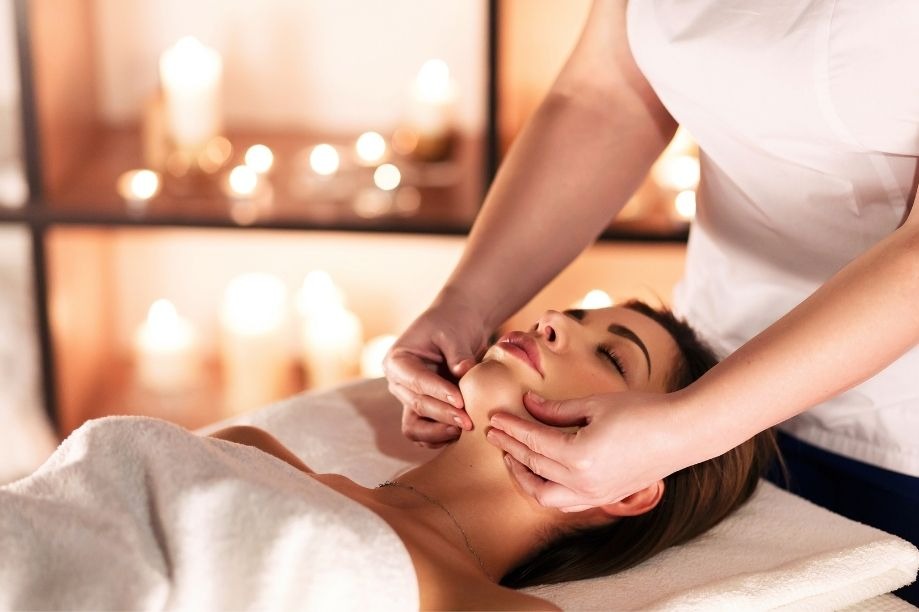
Best Spa in Gulshan 2, Dhaka – Your Complete Relaxation GuideBest Spa in Gulshan 2, Dhaka – Your Complete Relaxation Guide

When it comes to relaxation and wellness, Gulshan Thai SPA Center is widely known as the best spa center in Gulshan 2, Dhaka. If you are feeling stressed, tired, or simply need a refreshing break, this spa center offers the perfect solution.

Located in the prime area of Gulshan 2, this spa provides professional services in a peaceful and comfortable environment.

Why Gulshan Thai SPA Center is the Best in Gulshan 2

There are many spa centers in Dhaka, but Gulshan Thai SPA Center stands out because of:

Professional and trained therapists
Clean and hygienic private rooms
Calm and relaxing ambiance
Affordable and luxury packages
Friendly customer service

From the moment you enter, you feel welcomed and relaxed.

Luxury Spa Experience in Gulshan 2

At Gulshan Thai SPA Center, you can enjoy a premium spa experience without leaving the city. The center offers:

  • Soft lighting and soothing music
     
  • Aromatherapy environment
     
  • Fresh towels and clean facilities
     
  • Comfortable massage beds
     
  • Private treatment rooms
     

It feels like a peaceful retreat inside busy Dhaka.

Affordable Spa Packages for Everyone

One of the best things about Gulshan Thai SPA Center is that it offers quality service at reasonable prices.

Available options include:

  • 30-minute quick relaxation sessions
     
  • 60-minute full body massage
     
  • Couple spa packages
     
  • Special weekday discounts
     

This makes it perfect for office workers, couples, and regular spa visitors.

Popular Spa Services and Treatments

Thai Massage

Traditional stretching and pressure therapy to relieve muscle tension.

Aroma Oil Massage

Relaxing essential oil massage for stress relief and mental relaxation.

Hot Stone Therapy

Deep muscle therapy using warm stones.

Foot Reflexology

Improves blood circulation and overall body balance.

Body Scrub & Skin Care

Refreshes your skin and removes dead cells.

All services are designed to give you complete relaxation and wellness.

Relaxation Benefits You Will Feel

Regular visits to Gulshan Thai SPA Center can help:

Reduce stress and anxiety
Improve sleep quality
Relieve back and neck pain
Boost blood circulation
Improve mood and energy

Even one session can make your body feel lighter and refreshed.

How to Plan the Perfect Spa Day

Step-by-Step Booking Process

  1. Call or message to book
     
  2. Choose your preferred service
     
  3. Confirm time and package
     
  4. Arrive 10–15 minutes early
     

What to Bring

  • Comfortable clothing
     
  • Personal essentials (if needed)
     
  • Relaxed mindset
     

The spa provides everything else.

Best Time to Visit

  • Weekdays for a quiet experience
     
  • Evenings after office hours
     
  • Weekend mornings for peaceful relaxation
     

Advance booking is recommended to avoid waiting.

After Your Spa Session

To enjoy long-lasting benefits:

Drink plenty of water
Eat light and healthy food
Avoid heavy exercise immediately
Get proper rest

This helps your body recover and stay calm.

Are you ready?

If you are searching for the best spa in Gulshan 2, Dhaka, Gulshan Thai SPA Center is the perfect choice. With professional therapists, relaxing ambiance, and affordable packages, it offers a complete wellness experience in the heart of the city.

Take a break from your busy life and enjoy true relaxation at Gulshan Thai SPA Center – your trusted spa destination in Gulshan 2.

Writer: Konok Ray is a professional SEO Expert for Spa Centers. He helps spa businesses improve Google rankings, increase online visibility, and attract more customers through effective SEO strategies and local search optimization.

The Ascent Grandness Of Sustainable Products In The Bodoni Commercialize: A Step Towards A Greener HereafterThe Ascent Grandness Of Sustainable Products In The Bodoni Commercialize: A Step Towards A Greener Hereafter

Sustainability has become a cant in Holocene epoch years, and with good conclude. As the planetary universe grows and cancel resources dwindle, it has become more and more that businesses and consumers likewise must prioritise eco-friendly alternatives to see a sustainable future. Sustainable products, those premeditated with stripped situation touch on in mind, are gaining grip across industries, from forge to engineering to food. These products aim to reduce waste, conserve resources, and subscribe a flier economy, offer a more responsible for way of intense goods. As awareness of environmental challenges such as mood transfer, contamination, and continues to grow, the demand for property products is now at an all-time high.

The product of property products typically focuses on sourcing materials that have tokenish situation touch on. For exemplify, eco-friendly wear is made from organic fertilizer , bamboo, or recycled fabrics, as opposed to conventional or synthetic fibers that require more irrigate and vim to create. Similarly, property products in the tech manufacture often demand using recycled materials, reducing packaging run off, and creating vim-efficient that have longer lifespans. These products are not only better for the but also provide consumers with high-quality alternatives that often surmoun their less eco-conscious counterparts.

Another noteworthy feature of property products is their ability to be recycled or repurposed after their use. This principle supports the idea of a handbill thriftiness, which aims to keep products in use for as long as possible, thus reduction the need for new resources and minimizing run off. Many companies now volunteer products that can be disassembled and recycled, ensuring that each portion is either reused or prepared of in an environmentally responsible for manner. For example, article of furniture made from recycled materials or biodegradable packaging are fantabulous examples of how industries are shift toward more property practices.

Sustainability is not limited to just the physical products themselves; it extends to the way companies run. Ethical product processes that prioritize fair wages, safe workings conditions, and honor for workers' rights are becoming a major thoughtfulness for consumers. Many companies are adopting fair trade certifications and transparency in their ply irons, ensuring that they seed raw materials responsibly and put up to local anaesthetic economies without exploiting push. This right dimension adds an supernumerary layer of invoke to sustainable products, as consumers increasingly demand both situation and social responsibility from brands.

One of the considerable barriers to the widespread borrowing of property products is cost. Sustainable materials, ethical product, and environmentally-friendly practices often result in high production costs, which can make these products more high-priced for consumers. However, as demand continues to grow and engineering advances, the costs associated with property production are expected to decrease, qualification eco-friendly products more accessible to a broader hearing. Moreover, many consumers are now willing to pay a insurance premium for products that align with their values, recognizing that the long-term benefits of sustainability outbalance the first damage tag.

In summation to the environmental benefits, property products often offer better lastingness and seniority. For example, products made with high-quality materials are less likely to wear out chop-chop, reduction the frequency with which they need to be replaced. This not only saves consumers money in the long run but also reduces the overall consumption of resources. With the ontogeny realisation of these advantages, more consumers are opting for property products as part of their exertion to downplay their subjective state of affairs footprint.

As the world moves towards a more local farmers futurity, the increase of property products in the commercialize represents a significant step send on. These products help palliate the veto environmental impacts of traditional manufacturing practices, conserve resources, and tighten waste. By supporting businesses that prioritize sustainability, consumers can play an necessary role in shaping a greener, more property time to come for generations to come. Ultimately, the transfer towards sustainable products reflects a maturation sentience of the need to balance worldly development with state of affairs preservation, paving the way for a fitter planet.

Jasmine Tea Vs Oolong Tea A Complete Comparison GuideJasmine Tea Vs Oolong Tea A Complete Comparison Guide

When it comes to traditional teas with rich histories and unique flavors, jasmine tea and oolong tea often top the list for many tea enthusiasts. Both teas originate from China and hold considerable taste importance, yet they volunteer vastly different taste profiles, product methods, and wellness benefits. Whether you re new to the world of tea or looking to intensify your understanding, this nail steer will help you search the nuances between jasmine tea and oolong tea, making it easier to take the hone brew for your roof of the mouth and life style.

Origins and Production

Jasmine tea is in the first place a fragrant tea, where putting green tea leaves are bedded with ne jasmine blossoms to take over the ticklish flowered scen. This work on is continual threefold multiplication, depending on the desired redolence loudness. The base tea is most normally green tea, but sometimes white or black teas are used. The final product is a tea that balances the recently, grasslike notes of green tea with the sweetness and alcoholic perfume of jasmine flowers.

Oolong tea, on the other hand, is a traditional Chinese tea that waterfall between putting green and black tea in oxidation. Its product involves a more complex work, including atrophy, harmful, partial oxidization, and roasting. This method results in a wide range of flavors depending on the oxidization pull dow, which can vary from 10 to 70. Famous oolong varieties like Tie Guan Yin and Da Hong Pao are known for their characteristic patterned and tasty aromas paired with a unrefined, sometimes creamy mouthfeel.

Flavor Profiles

Jasmine tea offers a light, new smack with a sweetness patterned aroma that many find comfy and calming. The tea itself tends to be smoothen and perceptive, with the jasmine flowers adding a conciliate sweet without overwhelming the cancel flavors of the tea leaves. It s an nonsuch pick for those who favor a delicate tea with a sweet-smelling, uplifting character. Jasmine tea can be enjoyed hot or cold and pairs marvelously with dismount meals and desserts.

Oolong tea is more diverse in season due to the variable oxidisation levels during processing. Lightly oxidized oolongs often have flowered, fruity, and sweet notes aware of orchid or let the cat out of the bag. In contrast, heavily oxidised oolongs tend to develop richer, deeper flavors with hints of cooked nuts, yellowish brown, or even chocolate. The complexity of oolong makes it a favourite among tea connoisseurs who appreciate a Buckminster Fuller-bodied brew. Oolong tea also typically has a tarriance, smoothen land up that invites slow sipping and .

Health Benefits

Both jasmine tea and oolong tea are rich in antioxidants, but their specific wellness benefits vary due to their differing processing and compositions. Jasmine tea s antioxidants, primarily catechins from the putting green tea base, help combat aerobic try and redness, potentially reduction the risk of prolonged diseases like heart disease and certain cancers. The patterned perfume of jasmine is also believed to have calming effects, reduction strain and promoting rest.

Oolong oolong vs jasmine tea contains a mix of catechins and theaflavins due to its partial derivative oxidization, which provides a balanced antioxidant profile. Studies suggest that oolong tea can support slant direction by boosting metabolism and fat oxidation. Additionally, it may better heart wellness by reducing cholesterol levels and enhancing vessel operate. The tea s complex compounds also elevat mental wakefulness and may help gover roue saccharify levels.

Caffeine Content

If caffein consumption is a touch on, it s worth noting the differences between jasmine and oolong teas. Jasmine tea, depending on the base green tea used, typically contains tame caffein levels usually around 20 to 40 milligrams per cup. This makes it a mollify pick-me-up without the nervousness often associated with stronger caffeinated drinks.

Oolong tea in general contains slightly more caffein than jasmine tea, with amounts varying supported on oxidization and brewing methods. On average out, a cup of oolong tea may provide between 30 to 50 milligrams of caffeine. This tame caffeine can raise focalise and watchfulness, qualification it a popular pick for those who want a continuous vitality boost without the ram of java.

Brewing Techniques

Brewing jasmine tea is straightforward, typically requiring water hot to about 175 to 185 F(80 to 85 C) to avoid bitterness. Steeping time is usually short, around 2 to 3 minutes, to preserve the touchy flowered odor and flavor. Over-steeping can make jasmine tea smack overly warm and astringent, so timing is key for an pleasurable cup.

Oolong tea demands a bit more care due to its complex flavor profile and wide-ranging oxidisation levels. Water temperature for oolong ranges from 185 F to 205 F(85 to 96 C), depending on the type light oolongs favor lour temperatures, while more heavily oxidised ones gain from hotter water. Steeping times also vary but in general last 3 to 5 transactions. Many oolong lovers ninefold infusions of the same leaves, each offer a slightly different season see.

Cultural Significance

Jasmine tea has long been glorious in Chinese culture for its redolence and elegance. It is often served during specialised occasions, symbolizing innocence and embellish. The tea s delicate odour also makes it popular in mixer gatherings and tea ceremonies where sensorial perceptiveness is preponderating.

Oolong tea holds a revered position, especially in regions like Fujian and Taiwan, where tea is an art form. The traditional gongfu tea ceremony is often used to prepare oolong, emphasizing the tea s complexness and the beer maker s science. Oolong s perceptiveness meaning lies in its connection to solitaire, purification, and deep discernment of tea workmanship.

Conclusion: Which One Should You Choose?

Ultimately, choosing between jasmine tea and oolong tea depends on your smack preferences and what you seek from your tea see. If you dismount, odoriferous, and comfy teas, jasmine tea is an excellent choice. Its subtle sweet and appeasement scen make it perfect for rest and unplanned sipping.

If you favour a tea with depth, complexness, and variety, oolong tea offers a rich world of flavors to search. It s saint for those who tasting duplex infusions and experiencing how the tea evolves with each infuse.

Both teas provide guiding light health benefits and tone down caffeine levels, qualification them fantabulous additions to a sound life style. Whether you lean towards the patterned charm of jasmine or the unrefined of oolong, both teas hold a special point in the vast and entrancing universe of tea drinking.