Day: October 11, 2025

Top 10 Best Entertaining Videos to Brighten Your DayTop 10 Best Entertaining Videos to Brighten Your Day

Welcome to The Presidential Family — your go-to YouTube channel for fun, family-friendly content centered around our unique life with multiple sets of twins! Join us as we share hilarious family challenges, funny parenting moments, spooky tales, and exciting haunted house adventures. Our mission is to entertain and inspire families everywhere.

We focus on clean, wholesome content celebrating the joy of twin life and the love of a big family. Follow along as we grow, laugh, and create unforgettable skits, love stories, and precious memories with our adorable twin toddlers.

Subscribe now for your daily dose of laughter, sibling bonding, and unforgettable family fun with your favorite YouTube family!


We Caught A GHOST By The HAUNTED LAKE Behind Our House!


In this thrilling video, we explore the mysterious haunted lake behind our house where paranormal activity has been reported for decades. Armed with cameras and ghost detection tools, we set out to capture evidence of a ghostly presence. Unexpectedly, we caught something chilling on tape that left us stunned! Watch as we document our eerie encounter, sharing spine-tingling moments and unexplained phenomena. If you love ghost stories and real haunted investigations, this video is a must-watch. Dare to join us on this supernatural journey and see what lurks beneath the haunted lake’s dark waters.


Last to leave haunted room wins $10,000


Imagine spending hours locked inside a haunted room with nothing but your courage and determination to keep you company. In this intense challenge, participants compete to be the last one to leave a notoriously haunted room to win $10,000! From creepy noises to sudden chills, the atmosphere is charged with suspense and fear. Watch as contestants face their deepest fears and try to outlast each other in this nerve-wracking contest. Will anyone brave enough to win the cash prize, or will the haunted room claim them first? Don’t miss this thrilling showdown of bravery versus the supernatural.


I Accidentally Bought a Haunted Genie Lamp


What happens when you unknowingly purchase a haunted genie lamp? In this video, I share my unexpected journey after buying an antique lamp rumored to be cursed or haunted by a restless spirit. Strange events began happening around me—unexplained noises, eerie lights, and mysterious shadows. Join me as I document the chilling experiences and try to uncover the dark history behind this mysterious object. From spooky encounters to paranormal activity, this story will keep you on the edge of your seat. Watch to see if I manage to lift the curse or if the haunted genie lamp changes my life forever!


Wife GET LOST IN HAUNTED LAKE


In this heart-stopping video, a family trip takes a terrifying turn when the wife mysteriously goes missing in a haunted lake. Surrounded by legends of spirits and dark forces, the search for her becomes a race against time. Watch as loved ones and paranormal experts combine their efforts to find her, facing spine-chilling supernatural events along the way. The haunted lake’s dark secrets unravel as the story unfolds, revealing shocking twists and eerie discoveries. Will she be found, or has the haunted lake claimed another victim? Tune in for a haunting tale of loss and hope.


100 YEAR OLD HAUNTED LOVE LETTER!


Discover the haunting tale behind a 100-year-old love letter believed to be cursed or haunted by the tragic spirits of its past. This video explores the eerie history of the letter, written during a time of heartbreak and loss, and the strange events that have surrounded it ever since. From mysterious appearances to paranormal activity, the love letter continues to captivate and terrify those who come into contact with it. Join us as we uncover its secrets, share eyewitness accounts, and explore why this century-old relic still holds power over the living.

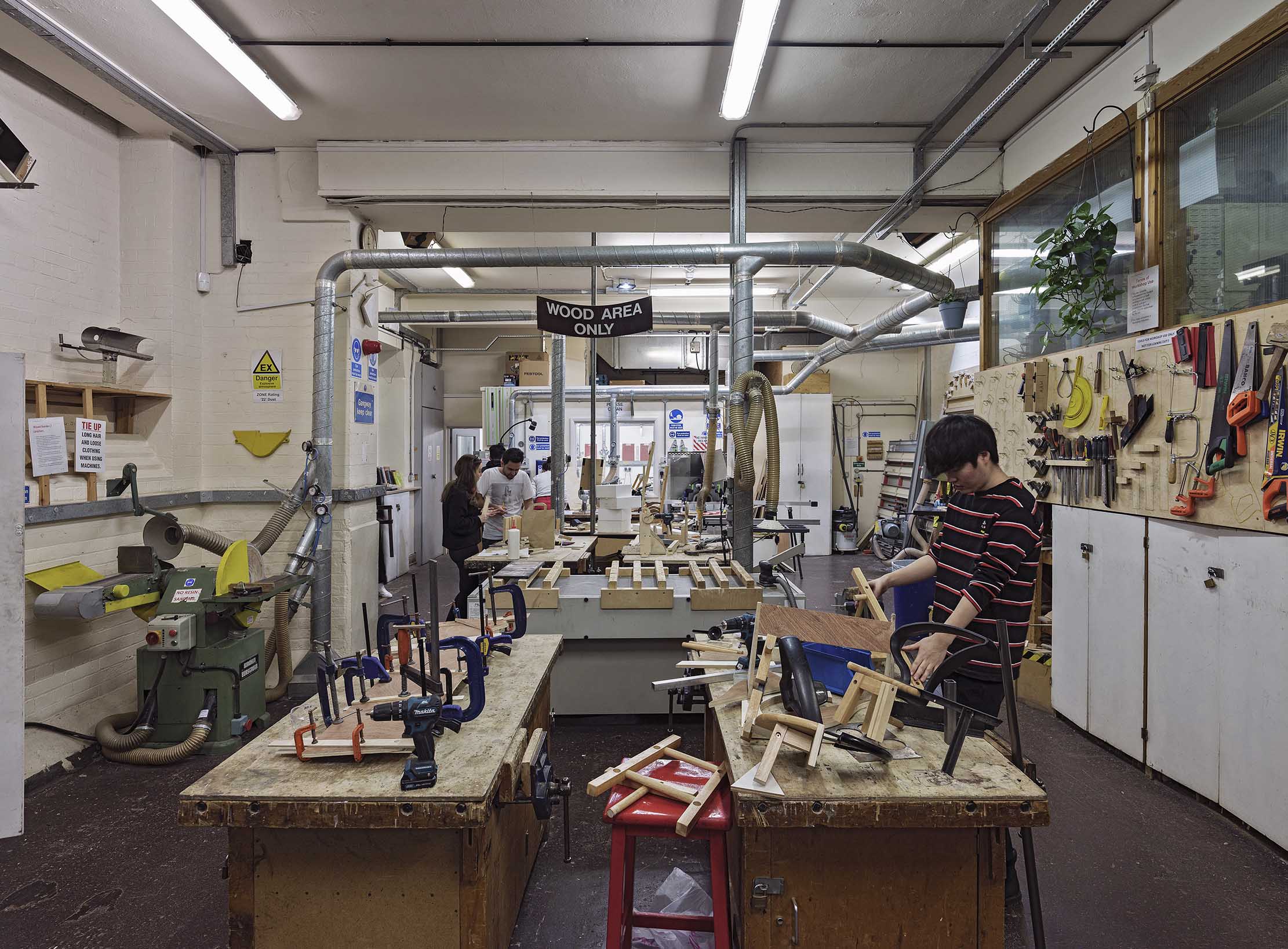
Workshops: A Gateway to Skill Enhancement and Personal GrowthWorkshops: A Gateway to Skill Enhancement and Personal Growth

In the ever-evolving landscape of education, professional development, and personal growth, workshops have emerged as a key tool for hands-on learning and practical application. Unlike traditional classroom settings, workshops offer participants the opportunity to engage actively with content, collaborate with others, and refine their skills in real-world contexts. Whether you are aiming to improve your professional expertise, explore new hobbies, or gain insights into personal development, workshops provide a dynamic environment for growth.

In this article, we will explore the significance of workshops, the diverse benefits they offer, and why they have become an essential part of modern learning and development.

Understanding the Power of Workshops

A workshop is an interactive session designed to encourage active participation and collaboration among its attendees. Unlike lectures or seminars, which often rely on passive learning, 親子藝術班 are designed to immerse participants in practical, real-world challenges that require them to engage, solve problems, and apply concepts. Workshops can cover a wide range of topics, from technical skills and creativity to leadership and wellness, and they often involve hands-on activities, group discussions, and exercises.

The success of a workshop lies in its ability to blend theory and practice, ensuring that participants don’t just absorb information but actively engage with it. Whether it's learning to code, understanding a new business strategy, or mastering mindfulness techniques, workshops foster an environment where participants can experiment, make mistakes, and grow.

Key Benefits of Attending Workshops

1. Hands-On Learning and Immediate Application

One of the greatest advantages of workshops is the opportunity for hands-on learning. In these interactive environments, participants can immediately apply the knowledge and skills they are gaining. This immediate application reinforces the concepts and makes them more memorable. For instance, if attending a project management workshop, participants may work in groups to simulate a project from start to finish, gaining valuable real-world insights.

By engaging in practical exercises and real-life scenarios, attendees better understand how to implement theoretical concepts. This "learning by doing" approach is highly effective because it helps bridge the gap between theory and real-world application.

2. Collaborative Learning and Networking

Workshops often bring together a diverse group of participants from various backgrounds and industries. This creates a dynamic environment where individuals can share their experiences, exchange ideas, and collaborate on solving problems. Collaboration is a powerful tool for learning because it encourages participants to think outside their usual perspectives, challenging assumptions and expanding their knowledge base.

Moreover, workshops provide an excellent networking opportunity. Whether you are attending a professional development workshop or a creative one, you have the chance to connect with like-minded individuals. These connections can lead to new business opportunities, career advancements, or simply valuable relationships with peers and mentors in your field.

3. Tailored Content for Specific Needs

Another key advantage of workshops is the ability to tailor content to the specific needs and interests of participants. Unlike generalized classroom settings, workshops often address particular skills or challenges, making them highly relevant and targeted. Whether the workshop focuses on improving communication in the workplace, developing leadership skills, or enhancing technical abilities, the content is designed to meet the unique needs of attendees.

This customization ensures that participants leave with practical tools and strategies that they can apply directly to their personal or professional lives. It also allows for a deeper exploration of topics that may not be adequately covered in a more traditional setting.

4. Instant Feedback and Continuous Improvement

Workshops typically involve real-time feedback, which is crucial for personal and professional growth. During interactive activities, facilitators and peers provide immediate responses to participants’ ideas and actions. This quick feedback loop enables individuals to identify areas for improvement, correct mistakes, and refine their approach as they continue learning.

Immediate feedback is especially valuable because it allows participants to make adjustments on the spot, which accelerates their learning process and boosts confidence. In traditional education, feedback often comes too late to be effective in the moment, but workshops provide the perfect environment for ongoing refinement and progress.

5. Increased Confidence and Personal Empowerment

For many participants, attending a workshop can lead to a significant increase in self-confidence. The practical experience gained during workshops, combined with the feedback and support of peers, helps individuals recognize their strengths and areas for improvement. As they apply new skills and solve real-world challenges, they become more empowered to take on new tasks, lead initiatives, and face challenges with confidence.

This boost in self-assurance can have lasting effects, influencing not only participants' professional capabilities but also their personal development. Confidence gained in one area can spill over into other aspects of life, making workshops a transformative experience for many.

Types of Workshops for Every Interest

Workshops are incredibly versatile, and they cater to a wide variety of interests and needs. Below are some of the most common types of workshops:

1. Professional Development Workshops

These workshops are designed to help individuals advance in their careers by developing specific skills that are in demand in the workplace. Common topics include leadership, communication, time management, negotiation, and conflict resolution. These workshops are often hosted by companies or professional organizations to enhance employees’ abilities and prepare them for future leadership roles.

2. Creative Workshops

Creative workshops allow individuals to explore and develop their artistic abilities. Whether it's painting, photography, writing, or music, creative workshops offer a safe space for expression and experimentation. These workshops are ideal for both beginners and experienced artists who want to refine their craft, explore new techniques, and gain feedback from peers and instructors.

Creative workshops can also spark inspiration and provide participants with a sense of community among like-minded individuals who share similar passions.

3. Technical and Digital Workshops

With technology evolving rapidly, technical workshops are becoming increasingly popular. These workshops focus on developing skills in areas such as coding, digital marketing, graphic design, and data analysis. Whether it’s learning how to create a website, write a program, or manage social media campaigns, technical workshops provide hands-on training that can lead to career growth and new opportunities.

4. Wellness and Personal Development Workshops

Wellness workshops focus on improving participants’ physical, mental, and emotional well-being. Topics might include stress management, mindfulness, fitness, nutrition, and mental health. These workshops often encourage self-reflection, helping participants develop habits that promote long-term well-being. For example, a mindfulness workshop may teach participants techniques for managing stress and cultivating a sense of calm.

Personal development workshops are designed to help individuals enhance their self-awareness, boost their self-esteem, and build emotional resilience. Topics may include goal setting, time management, and positive thinking.

5. Entrepreneurship and Business Workshops

Entrepreneurial workshops offer aspiring business owners and entrepreneurs practical knowledge and skills to launch and grow a successful business. Topics might include business planning, financial management, marketing strategies, and branding. These workshops help participants navigate the complexities of running a business and connect them with experienced mentors and like-minded individuals.

How to Maximize Your Workshop Experience

To truly benefit from a workshop, it’s important to actively engage and take full advantage of the experience. Here are a few tips to ensure you make the most of your time:

  • Be prepared: Come with an open mind and be ready to participate. If possible, research the topic in advance so you can engage with the material more deeply.
  • Ask questions: Workshops are an excellent opportunity to get direct feedback and ask questions. Don’t be afraid to inquire about things you don’t understand or to explore topics further.
  • Participate actively: Engage in group activities, share your ideas, and learn from others. Active participation will make the experience more valuable and enjoyable.
  • Take notes: Writing down key points or takeaways will help reinforce the material and provide a reference for later use.
  • Follow up: After the workshop, review what you learned and implement the strategies or skills you acquired. The more you apply the knowledge, the more you’ll retain it.

Conclusion

Workshops are an invaluable tool for personal and professional growth. They offer a hands-on, interactive approach to learning that helps individuals develop practical skills, gain confidence, and foster meaningful connections with others. Whether you're looking to advance your career, explore a creative hobby, or improve your health and well-being, workshops provide an immersive environment where you can apply knowledge, receive real-time feedback, and achieve your goals.

Toys: A Gateway to Learning, Fun, and Future SuccessToys: A Gateway to Learning, Fun, and Future Success

Toys have long been synonymous with childhood fun and entertainment, but their impact stretches far beyond just playtime. They are essential instruments in the developmental journey of every child, helping to foster cognitive, emotional, and social skills that last a lifetime. Whether they’re building intricate structures from blocks, engaging in imaginative role-play, or experimenting with new technologies, toys serve as a catalyst for creativity, growth, and learning. In today’s world, toys continue to evolve, adapting to new educational needs, advancing technologies, and changing societal values, but their core role remains rooted in one essential truth: play is integral to development.

The Science of Play: How Toys Shape Development

Play is not just fun; it is essential to the cognitive, emotional, and social development of children. When children play, they actively engage with their environment and learn how to interact with the world. Studies in developmental psychology emphasize that play allows children to develop problem-solving skills, creativity, language abilities, and social-emotional intelligence.

Toys play an integral role in this process. For example, puzzles, games, and building toys help develop critical thinking, spatial awareness, and hand-eye coordination. As children manipulate toys, they learn to plan, strategize, and problem-solve. A simple game of stacking blocks can teach a child about balance and spatial relationships, while building elaborate structures encourages creativity, planning, and perseverance.

As children engage with toys, they also begin to develop early STEM (Science, Technology, Engineering, Mathematics) skills. Toys like science kits, robotics sets, and building blocks lay the groundwork for understanding complex concepts, from physics and engineering to problem-solving and critical thinking. In an increasingly technology-driven world, such toys provide a head start, fostering skills that are essential in today’s fast-paced, digital age.

Play and Emotional Development: Navigating Feelings through Toys

Emotional intelligence is another area where toys have a profound impact. When children play, they often create imaginary worlds or scenarios that reflect real-life experiences and emotions. Through role-playing with dolls, action figures, or stuffed animals, children can act out scenarios that help them understand their own feelings and the feelings of others.

For instance, children often engage in role-playing games where they pretend to be parents, doctors, or teachers, learning about empathy and caregiving. These experiences help them navigate their emotions and learn how to manage interpersonal relationships. When a child plays with dolls and imagines them feeling sad or happy, they develop empathy by considering the emotional states of others, learning how to respond with care and understanding.

Toys also provide a space for children to work through their fears and anxieties in a safe, controlled environment. Playing with stuffed animals, for example, allows children to practice comforting others and being comforted themselves, helping them develop emotional resilience. This form of emotional practice is critical, as it helps children regulate their emotions, cope with stress, and express themselves in healthy ways.

The Importance of Social Play: Learning Cooperation and Teamwork

In addition to fostering emotional intelligence, toys also play a key role in social development. Social play is an important aspect of childhood, as it teaches children how to interact with others, share, collaborate, and resolve conflicts. Toys that encourage group play—such as board games, sports equipment, or cooperative building toys—help children learn valuable social skills in an enjoyable setting.

Board games, for example, provide children with an opportunity to practice taking turns, following rules, and negotiating with others. These games also teach children how to handle winning and losing with grace, an important skill that promotes emotional growth and resilience. Additionally, team-based activities, like playing with sports toys or group-building games, foster communication, collaboration, and problem-solving skills, which are key components of teamwork.

Social toys, like dolls, action figures, or playsets, also allow children to engage in pretend play that simulates real-world interactions. Whether they are imagining a family, a group of friends, or a workplace scenario, children learn the basics of cooperation, group dynamics, and social hierarchies. These experiences set the foundation for how children will interact with others in their communities, schools, and workplaces as they grow.

The Intersection of Technology and Traditional Play

In today’s world, the line between traditional toys and technology is becoming increasingly blurred. Technology has revolutionized the way children play, offering a range of interactive, digital, and educational toys. From robots that can be programmed to educational apps that teach math or reading, technology-based toys have opened up new avenues for learning and engagement.

STEM-focused toys, such as programmable robots and coding kits, introduce children to concepts that were once reserved for older learners. These toys not only engage children in hands-on learning but also help develop important skills such as logical thinking, problem-solving, and attention to detail. Tools like LEGO Mindstorms or Kano kits teach coding and engineering in a fun, interactive way, providing children with the foundation to build their own tech innovations in the future.

Despite the rise of digital toys, traditional toys continue to thrive and remain indispensable. Wooden blocks, dolls, and pretend-play toys still offer invaluable opportunities for creativity, imagination, and social interaction that digital star wars 公仔 cannot fully replicate. The key to fostering well-rounded development in children is balancing both types of play: digital and physical. The ideal toys of today combine these elements, encouraging children to learn and grow in multiple ways.

Sustainable and Conscious Toy Choices: A Shift Toward Responsibility

As environmental awareness increases, parents are becoming more conscious of the ecological impact of the toys they purchase. The toy industry is responding to this concern with a growing focus on sustainability. Many companies are now producing eco-friendly toys made from recycled or biodegradable materials, while others are taking steps to reduce plastic waste and carbon footprints in their manufacturing processes.

Sustainable toys not only have a lower environmental impact but also teach children important lessons about caring for the planet. Toys made from natural materials like wood or organic cotton can spark conversations about sustainability, recycling, and environmental responsibility. Additionally, many eco-friendly toys are designed to be durable and long-lasting, reducing the need for frequent replacements and minimizing waste.

Parents are also increasingly seeking toys that are ethically produced, ensuring that workers involved in their creation are treated fairly and paid justly. By supporting brands that prioritize ethical labor practices, parents help instill values of fairness and justice in their children, encouraging them to make responsible choices as consumers.

Conclusion: The Lasting Power of Play

Toys are far more than simple objects of amusement—they are the tools that shape the minds, hearts, and futures of children. Through play, children explore their world, develop essential skills, and engage in meaningful social interactions. From cognitive development and emotional regulation to creativity and teamwork, toys play a vital role in preparing children for the challenges and opportunities of tomorrow.

As the toy industry continues to innovate and embrace technology, there is an exciting future ahead. However, the essence of toys will always remain rooted in their ability to promote play as a central part of a child’s development. Whether it’s a traditional wooden toy or the latest high-tech gadget, toys will continue to unlock the potential of children, one imaginative play session at a time.

Cardiology: The Vital Science Behind Heart HealthCardiology: The Vital Science Behind Heart Health

Cardiology is a specialized field of medicine that focuses on diagnosing, treating, and preventing heart and blood vessel conditions. With the heart being the core of the cardiovascular system, its health is essential for the well-being of the entire body. As cardiovascular diseases continue to be the leading cause of death globally, the importance of cardiology cannot be overstated. This article explores the significance of cardiology in healthcare, the most common heart-related diseases, innovative treatment options, and preventive measures to maintain heart health.

The Heart: A Lifeline for the Body

The heart, a muscular organ located in the chest, serves as the body’s central pump, circulating blood to supply oxygen and nutrients to tissues and organs. The heart is divided into four chambers—two atria and two ventricles—that work in harmony to ensure a steady flow of blood through the body. The left side of the heart pumps oxygen-rich blood to the body, while the right side pumps oxygen-poor blood to the lungs.

Each beat of the heart is controlled by electrical signals that coordinate the rhythm and timing of the heart's contractions. When this process is interrupted by disease or abnormal function, the consequences can be dire. The role of cardiology is to understand these mechanisms, diagnose when something goes wrong, and develop strategies for treatment and prevention.

Common Heart Diseases

While the heart is a remarkable organ, it is susceptible to various diseases that can impair its function. Some of the most common heart conditions addressed by cardiologists include:

  1. Coronary Artery Disease (CAD): Coronary artery disease occurs when the coronary arteries, responsible for supplying oxygenated blood to the heart muscle, become narrowed or blocked by plaque build-up. This reduces blood flow to the heart, causing chest pain (angina) and increasing the risk of a heart attack. CAD is often managed through lifestyle changes, medications, angioplasty, or coronary artery bypass surgery (CABG).

  2. Heart Attack (Myocardial Infarction): A heart attack happens when a blockage in the coronary arteries leads to a lack of oxygen-rich blood to part of the heart muscle. The affected heart tissue can begin to die, causing irreversible damage. Emergency treatments, such as thrombolysis (clot-busting drugs), angioplasty, or bypass surgery, can help restore blood flow and minimize damage.

  3. Heart Failure: 心臟掃描 failure occurs when the heart is unable to pump enough blood to meet the body’s demands. It can result from conditions like CAD, high blood pressure, or previous heart attacks. Symptoms include fatigue, swelling in the legs, and difficulty breathing. Treatment involves lifestyle modifications, medications to manage symptoms, and sometimes, implantable devices or heart transplants.

  4. Arrhythmias: Arrhythmias refer to abnormal heart rhythms, which can cause the heart to beat too fast (tachycardia), too slow (bradycardia), or irregularly. These can lead to complications such as fainting, stroke, or even sudden cardiac arrest. Management often includes medications, implantable pacemakers, and ablation therapy to correct irregular rhythms.

  5. Valvular Heart Disease: The heart contains four valves that ensure blood flows in one direction. If any of these valves become damaged or diseased, it can affect the heart’s efficiency. Valve conditions include stenosis (narrowing) and regurgitation (leakage). Severe cases may require valve repair or replacement, often through minimally invasive procedures.

  6. Hypertension (High Blood Pressure): High blood pressure is one of the primary risk factors for heart disease. When blood pressure is elevated over an extended period, it can damage the arteries, making it harder for the heart to pump blood. Cardiologists work with patients to control hypertension through medications, lifestyle changes, and regular monitoring.

  7. Congenital Heart Defects: Some individuals are born with structural abnormalities in their heart, which can affect its function. These congenital defects can range from minor issues to severe conditions that require surgery. Pediatric cardiologists specialize in diagnosing and managing heart defects in children.

The Role of Cardiologists in Heart Health

Cardiologists are physicians who specialize in diagnosing and treating heart conditions. These experts are highly trained in the anatomy and physiology of the heart and have extensive knowledge of cardiovascular diseases. Cardiologists play a pivotal role in:

  • Diagnosis: Cardiologists use a range of diagnostic tools to evaluate heart health, including electrocardiograms (ECGs), echocardiograms, stress tests, and blood tests. They interpret these results to identify issues such as arrhythmias, valve diseases, or coronary artery blockages.

  • Treatment: Once a diagnosis is made, cardiologists develop personalized treatment plans, which may involve medications, lifestyle changes, or surgical interventions. In more advanced cases, they may recommend procedures like angioplasty, heart surgery, or the implantation of devices such as pacemakers and defibrillators.

  • Prevention: Cardiologists play an essential role in preventing heart disease through regular screenings, educating patients about healthy lifestyle choices, and managing risk factors like high cholesterol, diabetes, and obesity. They also provide guidance on diet, exercise, and smoking cessation to promote heart health.

  • Monitoring: Cardiologists follow up with patients who have been diagnosed with heart disease to ensure that treatment plans are effective and to make adjustments as necessary. Regular monitoring helps prevent complications and provides early warning signs of deteriorating health.

Cutting-Edge Advances in Cardiology

The field of cardiology is constantly evolving, with new technologies and treatment methods improving outcomes for patients. Some of the most exciting innovations in cardiology include:

  1. Minimally Invasive Procedures: Advances in interventional cardiology have led to the development of minimally invasive techniques for treating heart disease. Procedures such as coronary angioplasty, where a balloon is used to open blocked arteries, or transcatheter valve replacement, have allowed for faster recovery and fewer complications compared to traditional surgery.

  2. Cardiac Imaging Technology: Non-invasive imaging techniques like CT scans, MRI, and advanced echocardiography enable cardiologists to get detailed images of the heart and blood vessels, helping to diagnose heart conditions with greater accuracy and precision.

  3. Wearable Devices: The rise of wearable technology, such as smartwatches and fitness trackers, has empowered patients to monitor their heart health in real time. Many of these devices can track heart rate, detect irregular rhythms, and even alert users to potential issues, enabling early intervention.

  4. Artificial Intelligence (AI): AI is transforming the field of cardiology by analyzing large amounts of data quickly and accurately. AI algorithms are being used to interpret medical images, predict patient outcomes, and assist in identifying early signs of heart disease, leading to better diagnosis and treatment strategies.

  5. Gene Therapy and Stem Cells: Research into gene therapy and stem cell treatments is offering hope for patients with chronic heart conditions. Gene therapy may one day be used to correct genetic defects that cause heart disease, while stem cells could potentially regenerate damaged heart tissue, reducing the need for heart transplants.

Prevention and Lifestyle Choices

Preventing heart disease is crucial, as many heart conditions are linked to modifiable risk factors like poor diet, lack of exercise, and smoking. Cardiologists emphasize the following preventive measures:

  • Regular Exercise: Cardiologists recommend at least 150 minutes of moderate-intensity exercise each week to strengthen the heart, improve circulation, and maintain a healthy weight.

  • Healthy Diet: Eating a balanced diet rich in fruits, vegetables, whole grains, and lean proteins can help manage cholesterol and blood pressure. Cardiologists recommend reducing the intake of saturated fats, sodium, and processed foods to protect heart health.

  • Stress Management: Chronic stress can contribute to high blood pressure and other heart risks. Practices like yoga, meditation, and relaxation techniques can help manage stress levels and improve heart health.

  • Smoking Cessation: Smoking is a major cause of heart disease. Quitting smoking can significantly reduce the risk of heart attack, stroke, and other cardiovascular diseases.

  • Routine Check-Ups: Regular check-ups and screenings allow for the early detection of heart disease risk factors like high blood pressure, high cholesterol, and diabetes. Cardiologists recommend annual visits to assess heart health, especially for individuals with a family history of cardiovascular conditions.

The Future of Cardiology

As heart disease continues to be a leading cause of death globally, the future of cardiology looks promising. With ongoing advancements in medical technology, research, and personalized care, cardiology will continue to play a vital role in reducing the burden of heart disease. Innovations like artificial intelligence, gene therapy, and regenerative medicine hold the potential to revolutionize the way cardiologists approach heart care, leading to earlier detection, more effective treatments, and improved patient outcomes.

Conclusion

Cardiology is a critical and dynamic field of medicine dedicated to preserving heart health and improving the quality of life for millions of people worldwide. With advancements in technology and treatment, cardiologists are better equipped than ever to diagnose, treat, and prevent heart disease. By focusing on prevention, early detection, and personalized care, the field of cardiology will continue to play an essential role in shaping the future of healthcare and ensuring that the heart remains strong and healthy for generations to come.

Customized Tees: A Fashion Revolution for the Modern WorldCustomized Tees: A Fashion Revolution for the Modern World

In the modern world of fashion, customized tees have become an essential part of everyday wear, representing more than just clothing. They are a form of personal expression, creativity, and even a powerful tool for social connection and business branding. From individuals designing their own tees for special occasions to businesses using them as marketing assets, customized t-shirts have grown in both popularity and importance.

In this article, we will explore why customized tees have become a major part of fashion culture and why they continue to captivate the hearts of so many.

1. The Ultimate Self-Expression

One of the biggest reasons for the enduring popularity of custom tees is the opportunity they provide for self-expression. With customized t-shirts, the possibilities are endless. Whether it’s a favorite quote, an artistic design, a personal motto, or a statement about a social issue, custom tees allow wearers to showcase their personality and beliefs in a creative and fun way.

Gone are the days of simply buying pre-designed shirts from a store. Now, anyone can take their ideas—whether they’re quirky, meaningful, or humorous—and bring them to life on a t-shirt. This level of personalization has made customized tees a go-to option for people looking to create something that truly reflects their identity.

2. Perfect for Special Occasions and Events

Customized tees have proven to be an indispensable choice for special occasions. They bring a unique and personal touch to events such as family reunions, birthday parties, school events, team-building activities, or even weddings. The simplicity and fun of matching t-shirts can make any event feel more unified and memorable.

For example, a group of friends heading to a concert might want to create a custom tee featuring a fun slogan related to the band they’re seeing, while a sports team can design shirts with a logo and team motto to wear during their championship game. The act of wearing a custom shirt together fosters a sense of belonging, making those moments more special and connected.

3. Customized Tees in Business and Marketing

Customized tees are also widely used in the world of business as a cost-effective yet impactful marketing tool. For small businesses, startups, or even large corporations, custom t-shirts with logos, slogans, or designs can become a powerful form of advertisement. Rather than relying solely on expensive digital ads or billboards, companies are opting to have employees and customers wear branded tees to increase visibility and engagement.

Custom tees can be given out as promotional giveaways at events or used as part of an employee uniform, turning your staff into walking billboards. In addition, customers who wear your branded t-shirts become ambassadors for your brand, spreading awareness wherever they go. This kind of organic marketing is both affordable and effective, making customized tees a key part of modern branding strategies.

4. Affordable Fashion with a Personal Touch

One of the primary reasons for the widespread appeal of custom tees is their affordability. Custom t-shirts are often much cheaper than other types of personalized clothing or accessories, making them accessible to a wide range of people. Additionally, the cost of customization is typically affordable enough that individuals or businesses can design multiple shirts without breaking the bank.

This affordability doesn’t mean you have to sacrifice style or quality. Customized tees are available in a variety of fabrics, cuts, and colors, allowing you to choose the perfect fit and feel for your design. Whether you prefer a slim fit, oversized tee, or a classic style, there is no shortage of options to complement your personal taste.

5. Sustainability in the Custom Tee Market

As sustainability becomes a key focus in the fashion industry, many companies are answering the call by offering eco-friendly custom tees. Consumers are now more conscious about the environmental impact of their clothing choices, leading to the rise of sustainable and organic materials for customized apparel. Eco-friendly fabrics like organic cotton, recycled polyester, and bamboo are now widely available for those looking to create a custom tee that aligns with their values.

Choosing sustainable materials for your custom t-shirt ensures that you're supporting a more environmentally responsible fashion industry. Additionally, many companies use eco-friendly printing methods, such as water-based inks or direct-to-garment (DTG) printing, which reduces waste and eliminates harmful chemicals. This makes custom tees a perfect combination of creativity, style, and environmental responsibility.

6. A Unique Gift for Friends and Family

Customized tees also make fantastic gifts, especially when you want to give something that’s personal and meaningful. Whether for a birthday, graduation, anniversary, or holiday, a custom t-shirt can be a thoughtful present that showcases your connection to the recipient. Whether it’s a tee that features a favorite quote, a funny inside joke, or an image that holds sentimental value, custom shirts allow you to create a gift that goes beyond the ordinary.

The beauty of gifting a custom tee is that it’s not just about the shirt itself, but the thought behind it. A unique design or message will resonate with the recipient, making the gift all the more special. Custom tees can be designed for individuals, couples, or groups, making them perfect for both personal and group celebrations.

7. Endless Design Options

The design possibilities for customized tees are nearly limitless. Online design platforms, such as Custom Ink, Teespring, and Printful, provide easy-to-use tools that allow you to create a design from scratch or choose from templates. These platforms let you upload images, add text, experiment with color palettes, and fine-tune the layout of your design.

Additionally, if you're not a design expert, these websites offer helpful suggestions and even professional designers who can bring your vision to life. With just a few clicks, you can create a t-shirt that’s completely original and 班 tee 設計 to your liking.

8. Tees that Make a Statement

In today’s climate, custom tees have become more than just fashion statements; they’re powerful tools for raising awareness and advocating for social change. People often use custom shirts to highlight causes they’re passionate about, such as equality, environmental conservation, or political movements. A custom tee with a bold message or image can serve as a conversation starter and help to raise awareness on important issues.

For instance, during major social movements, individuals and organizations have used custom tees to show solidarity and spread messages of support. These tees not only serve as personal expression but also as a reminder of the ongoing efforts to change the world. Wearing a custom shirt can help amplify your voice and make an impact beyond the streets.

9. The Timeless Appeal of Custom Tees

While fashion trends may come and go, customized tees have proven to be a timeless wardrobe essential. The appeal of a custom tee lies in its ability to blend comfort, creativity, and style in one garment. Whether you’re looking to make a bold statement, celebrate a special occasion, promote your business, or simply express your individuality, custom tees continue to offer endless opportunities for personalization.

They are incredibly versatile, offering everything from casual wear to more styled outfits with the addition of accessories. No matter how fashion evolves, the custom t-shirt will remain a go-to option for people who want to show off their unique identity in a comfortable and creative way.

10. Conclusion: Why Customized Tees Will Always Be Relevant

Customized tees have become much more than just a fashion trend. They are a vehicle for self-expression, personal style, social causes, and business marketing. With endless design options, affordability, and the ability to create a truly unique piece of clothing, custom tees continue to resonate with people from all walks of life.

Whether you’re designing one for yourself, a group of friends, or your business, a custom tee is more than just a shirt—it’s a reflection of who you are, what you stand for, and what you care about. And as long as people continue to seek ways to express their individuality, the customized tee will remain a staple of both fashion and culture.